
Kenya safaris combine some of East Africa’s strongest wildlife viewing with varied landscapes that range from open savannah and dry northern country to Rift Valley lakes and the Indian Ocean coast. The Maasai Mara is central to many itineraries for year-round game viewing and the seasonal Great Migration, while Amboseli is known for large elephant herds and views towards Mount Kilimanjaro. Samburu, Tsavo and Lake Nakuru add further variety to longer routes. Most safaris begin in Nairobi, with private 4×4 journeys connecting the main wildlife areas and domestic flights available where reducing road time makes sense. Shorter trips can concentrate on one or two major regions, while longer itineraries can combine the Maasai Mara with northern or southern Kenya before finishing on the coast. AA Safaris & Tours arranges private Kenya safari tours around your available time, interests and preferred accommodation level, including transport, lodging and carefully planned park combinations.
Why Choose Kenya for Safari
Kenya works particularly well for travellers who want classic wildlife viewing, strong predator sightings and a wide choice of safari regions within one country. The Maasai Mara remains the main draw for many visitors, but Amboseli, Samburu, Tsavo, Lake Nakuru and the wider conservancy areas make it possible to build very different routes around wildlife, landscapes and available time. Another advantage is flexibility. Shorter safaris can focus on the Maasai Mara or Amboseli, while longer trips can connect several regions by road or domestic flight. Kenya also makes it easy to combine a wildlife safari with the Indian Ocean coast, giving travellers the option of finishing with a few slower days after the game-viewing circuit. For first-time safari travellers, Kenya offers a strong balance between wildlife variety, established safari infrastructure and the ability to choose between compact trips and much broader itineraries.
Types of Kenya Safaris
Kenya safaris can be structured around wildlife viewing, the Great Migration, family travel, the Indian Ocean coast or a wider East African journey. The best style depends on the number of days available, the regions you want to visit and how much variety you want within the trip. These are the main safari styles to consider when planning a Kenya itinerary.
| Safari Style | What It Includes | Best For |
|---|---|---|
| Classic Wildlife Safari | Game drives through areas such as Maasai Mara, Amboseli, Samburu, Tsavo and Lake Nakuru | First-time visitors and travellers focused on Big Five and general wildlife viewing |
| Great Migration Safari | Several nights in the Maasai Mara during the northern part of the annual migration cycle | Travellers prioritising large herds, predators and possible Mara River crossings |
| Family Safari | Carefully paced routes, family-suitable lodges and manageable driving times | Families travelling with children or several generations |
| Safari and Beach Holiday | Wildlife safari followed by time around Diani, Watamu or another part of the Kenyan coast | Travellers wanting wildlife followed by a slower beach stay |
| Kenya and Tanzania Safari | Kenya wildlife areas combined with destinations such as Serengeti and Ngorongoro | Longer East Africa trips covering both countries |
Best Kenya Safari Destinations
Kenya’s main safari regions are spread across very different landscapes, from the grasslands of the Maasai Mara and elephant country around Amboseli to the dry northern reserves of Samburu and the vast wilderness of Tsavo. Choosing the right combination depends on how many days you have, the wildlife you most want to see and whether you prefer travelling mainly by road or using domestic flights between distant regions. For a first Kenya safari, the Maasai Mara normally forms the centre of the itinerary, while Amboseli, Lake Nakuru, Samburu, Tsavo and the Laikipia conservancies can be added according to the route. Longer trips give more scope to combine contrasting ecosystems without turning every day into a long transfer
Maasai Mara National Reserve for Big Five and Migration Safaris
Maasai Mara National Reserve is the centre of many Kenya safaris because it combines open grasslands, strong predator populations and excellent year-round wildlife viewing. Lions, elephants, buffaloes, giraffes, cheetahs, leopards, hyenas and large antelope herds can all form part of a typical game drive, while the Mara River and surrounding plains become especially important during the seasonal Great Migration. From roughly July to October, large numbers of wildebeest and zebras can move into the greater Mara ecosystem from the Serengeti, although the exact timing changes with rainfall and grazing conditions. River crossings are therefore never guaranteed on a particular day. The Mara also works well outside migration season because its resident wildlife remains strong throughout the year. Travellers can stay inside the reserve or in nearby conservancies, allowing the area to fit both shorter Kenya safaris and longer routes combined with Lake Nakuru, Amboseli or northern Kenya
Amboseli National Park for Elephants and Kilimanjaro Views
Amboseli National Park is one of Kenya’s strongest wildlife destinations for travellers who want close elephant encounters in a very open landscape. Large elephant herds are a major feature of the park, while buffaloes, lions, giraffes, zebras, wildebeest and other plains wildlife can also be seen during game drives. The park is especially well known for views towards Mount Kilimanjaro, which rises across the border in Tanzania and forms one of East Africa’s most recognisable safari backdrops when cloud conditions are favourable. Amboseli’s wetlands and seasonal marshes also attract wildlife throughout the year and help create a different experience from the grasslands of the Maasai Mara. Amboseli works particularly well on routes beginning or ending in Nairobi and can be combined with Tsavo, Lake Nakuru or the Maasai Mara on longer Kenya safaris. It is also useful on Kenya and Tanzania itineraries travelling through the southern safari circuit
Samburu National Reserve for Northern Kenya Wildlife
Samburu National Reserve gives a Kenya safari a very different character from the Maasai Mara or Amboseli. The landscape is drier and more rugged, with open scrub, rocky hills and the Ewaso Ng’iro River forming an important wildlife corridor through the reserve. Samburu is especially valuable for travellers who want to see species associated with northern Kenya, including reticulated giraffes, Grevy’s zebras, gerenuks, Beisa oryx and Somali ostriches. Elephants are also regularly seen around the river, while lions, leopards and other predators add to the broader game-viewing experience. The reserve works best on longer itineraries travelling north from Nairobi or combining Samburu with Ol Pejeta, Laikipia, Lake Nakuru and the Maasai Mara. Its dry northern scenery gives the safari a strong contrast with Kenya’s greener Rift Valley and southern wildlife regions.
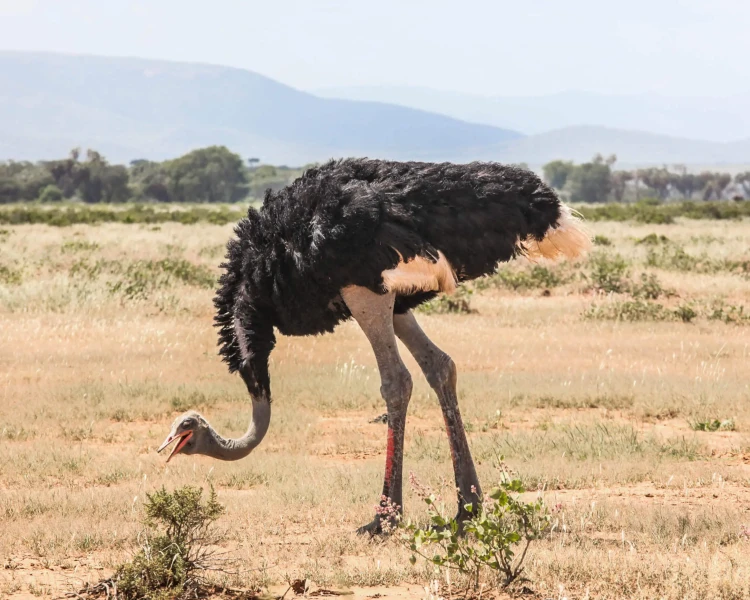
Somali ostrich
Tsavo East and Tsavo West for Longer Wildlife Safaris
Tsavo East and Tsavo West National Parks together form one of Kenya’s largest and most varied safari regions, making them particularly suitable for travellers with enough time to explore beyond the Maasai Mara circuit. Tsavo East is known for its broad open plains, red-soil landscapes, elephants and long wildlife-viewing routes, while Tsavo West is more varied, with volcanic scenery, hills, springs and denser vegetation. The two parks support elephants, lions, buffaloes, giraffes, zebras, antelopes and other savannah wildlife, but the experience feels more spacious and less concentrated than in some smaller reserves. This suits travellers who enjoy longer game drives and a stronger sense of scale. Tsavo fits especially well into southern Kenya itineraries combining Amboseli, Nairobi and the Indian Ocean coast, making it a useful choice for safari and beach holidays that continue towards Mombasa, Diani or the wider coast.
Lake Nakuru National Park for Rhinos and Rift Valley Wildlife
Lake Nakuru National Park is one of the most useful Rift Valley stops on a Kenya safari, particularly for travellers who want a strong chance of seeing rhinos within a relatively compact park. Both black and white rhinos occur here, while game drives can also bring sightings of buffaloes, giraffes, zebras, antelopes, lions and other wildlife around the lake, woodland and open grassland areas. The park is also known for its birdlife, although the numbers and distribution of flamingos around the lake can change with water levels and feeding conditions. It is therefore better to present Lake Nakuru as a broader wildlife and birding destination rather than relying only on the old image of huge permanent flamingo concentrations. Lake Nakuru fits naturally between Nairobi and the Maasai Mara and can also be combined with Lake Naivasha, making it a practical stop on 5- to 8-day Kenya safari routes.
Ol Pejeta and Laikipia for Rhino and Conservancy Safari
Ol Pejeta Conservancy is one of the strongest additions to a northern Kenya safari, particularly for travellers interested in rhino conservation and a more private conservancy-style experience. It is home to the last two northern white rhinos and protects a major population of eastern black rhinos, while game drives can also bring sightings of lions, elephants, buffaloes, giraffes, cheetahs and other wildlife. The conservancy also contains the Sweetwaters Chimpanzee Sanctuary, which provides refuge for rescued chimpanzees. Ol Pejeta sits within the wider Laikipia region and works especially well on routes combining Nairobi, Samburu, Lake Nakuru and the Maasai Mara. It can be reached by road via Nanyuki or by scheduled flight to Nanyuki followed by a transfer.
Other Kenya Safari Destinations Worth Adding
Beyond Kenya’s main safari regions, several destinations work well as route extensions or specialist stops. Lake Naivasha adds a Rift Valley break, Nairobi National Park works for short wildlife visits near the capital, while Meru, Aberdare and Mount Kenya suit travellers looking for quieter or more varied landscapes. The coast then provides a natural way to finish a longer wildlife itinerary.
| Destination | Best For | Where It Fits |
|---|---|---|
| Lake Naivasha | Boat trips, birdlife and nearby Hell’s Gate | Fits naturally between Nairobi, Lake Nakuru and the Maasai Mara |
| Nairobi National Park | Short wildlife safaris close to the capital | Useful before or after an international flight |
| Meru National Park | Quieter wildlife viewing and less-travelled routes | Best added to longer central or northern Kenya itineraries |
| Aberdare National Park | Highland forest, waterfalls and mountain scenery | Works well with central Kenya and Mount Kenya routes |
| Mount Kenya Region | Hiking, scenery and highland extensions | Best for travellers adding an active component to a wildlife safari |
| Diani and Kenyan Coast | Beach stays, swimming and post-safari relaxation | Natural finish after southern Kenya or a wider wildlife circuit |
Great Migration Safaris in the Maasai Mara
The Great Migration is a year-round movement of wildebeest, zebras and other grazing animals between the Serengeti ecosystem in Tanzania and the greater Maasai Mara ecosystem in Kenya. For travellers planning a Kenya safari specifically around the migration, the main period associated with the Maasai Mara is usually July to October, although the exact arrival and movement of the herds depends on rainfall and grazing conditions. During this period, large herds can spread across the Mara plains, attracting lions, hyenas and other predators. The Mara River crossings are among the best-known parts of the migration, but they do not happen on a fixed timetable. Herds can wait near the river for hours or days before crossing, and some groups may use different routes altogether. For this reason, migration-focused safaris work better with several nights in the Maasai Mara rather than a short one-night stop. The reserve also has strong resident wildlife throughout the year, so visiting outside the migration months can still provide excellent game viewing.
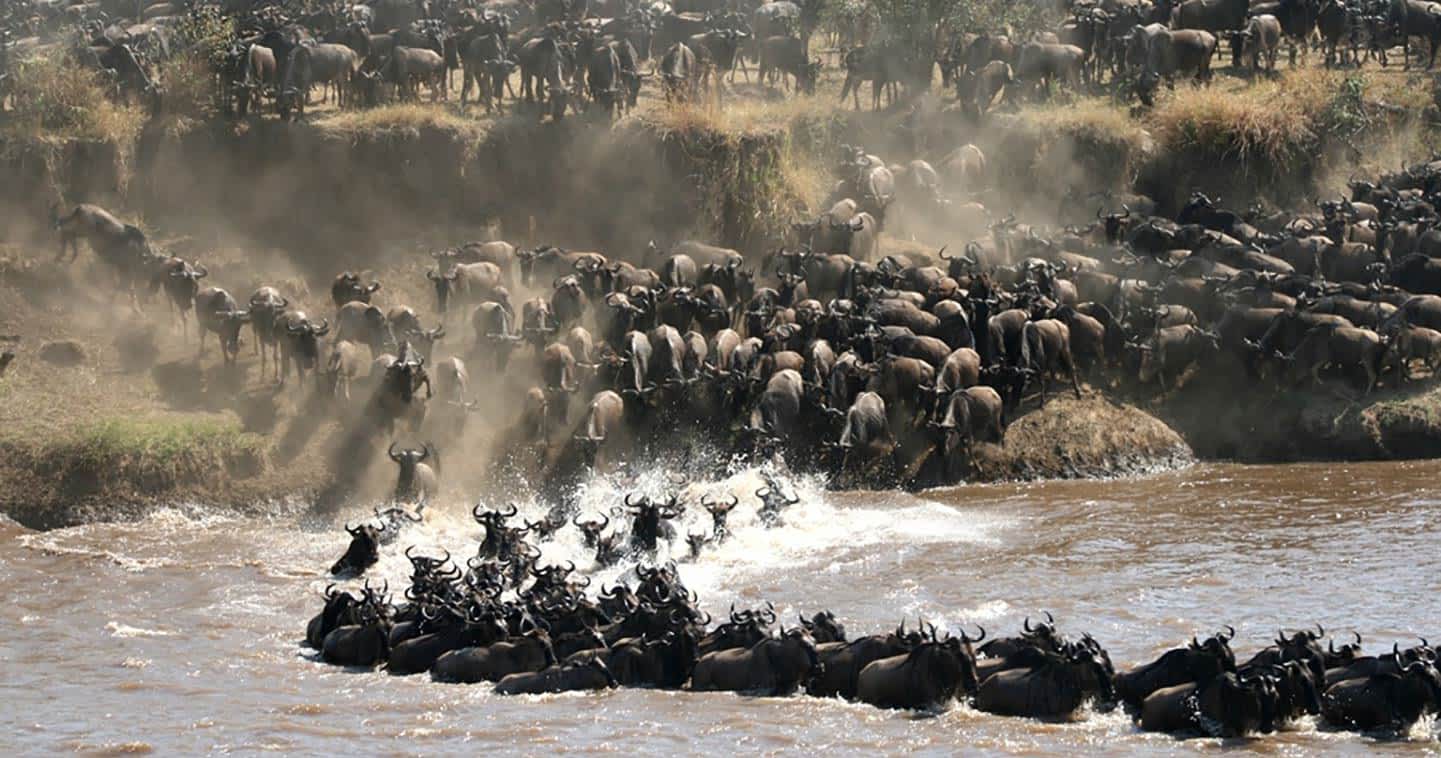
Great Migration safaris during Mara River crossings
How Many Days Do You Need for a Kenya Safari?
The right length for a Kenya safari depends on how many regions you want to combine and whether you travel mainly by road or use domestic flights. Short trips work best when they focus on one or two major destinations, while longer itineraries allow enough time to combine the Maasai Mara with the Rift Valley, northern or southern Kenya without spending too much of the trip in transit
| Safari Length | What It Can Realistically Cover | Best For |
|---|---|---|
| 2 to 4 days | One major destination such as Maasai Mara or Amboseli | Short extensions and travellers with limited time |
| 5 to 7 days | Two to three regions such as Maasai Mara, Lake Nakuru and Amboseli | First-time visitors wanting classic Kenya wildlife |
| 8 to 10 days | Maasai Mara, Rift Valley and either northern or southern Kenya | Travellers wanting greater landscape and wildlife variety |
| 11 to 14 days | Several major safari regions at a more comfortable pace | Travellers wanting a fuller Kenya circuit |
| 15 days or more | Wider Kenya safari, beach extension or Kenya and Tanzania combination | Longer multi-region and cross-border journeys |
Best Time to Visit Kenya for Safari
Kenya can be visited throughout the year, but the drier periods generally make wildlife viewing and road travel easier in many of the main safari regions. Broadly, July to October and December to March are the most popular periods for safari because conditions are often drier and visibility across the plains is good.
Drier Months
July to October is one of the strongest general safari periods, particularly for the Maasai Mara, Amboseli, Samburu and many Rift Valley routes. Vegetation is often shorter, roads are generally easier, and wildlife can become more concentrated around dependable water sources. January and February are also useful months for many wildlife itineraries, especially for travellers who want warm, relatively dry conditions without building the trip around the migration.
Wetter Months
Kenya’s main long rains generally fall from March to May, while the short rains occur from October to December, although the timing and intensity vary considerably between regions. Rain can make some park roads muddy, particularly during the long rains, but safaris still operate. Landscapes become greener, bird activity can be rewarding and some areas feel less busy than during peak travel periods.
What Affects the Cost of a Kenya Safari?
The cost of a Kenya safari depends mainly on trip length, the parks and reserves included, accommodation level, transport style and the number of travellers sharing the vehicle. Safari routes that cover several distant regions generally cost more because of extra driving, fuel and guiding time. Fly-in safaris can reduce long road transfers, but domestic flights increase the overall budget. Accommodation also makes a major difference, ranging from comfortable lodges and tented camps to high-end properties inside private conservancies. Park and conservancy fees are another important part of the total, especially on itineraries that include the Maasai Mara, Ol Pejeta, Amboseli or several protected areas. Travel during high-demand periods, including the main Great Migration season, can also increase accommodation costs and reduce availability. The best way to compare Kenya safari prices is therefore to look at what is included, particularly park fees, accommodation, meals, private transport, domestic flights and additional activities, rather than comparing only the final figure.
Getting Around Kenya on Safari
Most Kenya safaris begin in Nairobi, with private 4×4 vehicles used to connect parks and reserves by road. Road travel works particularly well on routes where the destinations follow a natural sequence, such as Nairobi, Lake Nakuru and the Maasai Mara, or Nairobi, Amboseli and Tsavo. Distances become more important when combining northern and southern Kenya. Samburu, Laikipia, the Maasai Mara and Amboseli sit in different parts of the country, so trying to include all of them in a short itinerary can leave too much time on the road. Domestic safari flights are useful for reducing these longer transfers, particularly when the Maasai Mara or more distant regions are included. The Nairobi to Mombasa railway corridor can also be useful on southern routes. Tsavo East can be accessed using the Standard Gauge Railway through Voi or Miasenyi, while road access follows the Nairobi to Mombasa highway.
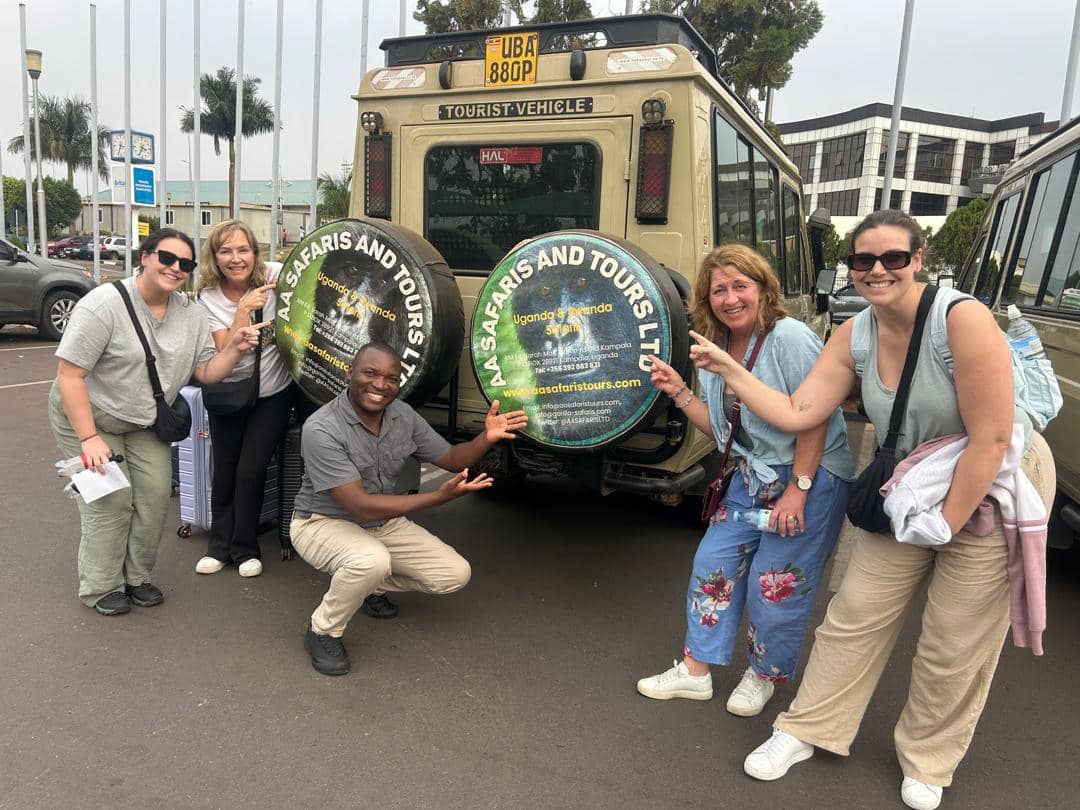
AA Safaris and Tours
Kenya Entry Requirements
If you’re travelling to Kenya, you’ll generally need an approved Electronic Travel Authorisation (eTA) before you leave for your trip. A standard single-entry eTA costs US$30, and it is best to apply at least two weeks before travelling. In many cases, approval comes through within about three days, but applying early gives you plenty of time before your safari. Your passport should be valid for at least six months from the date you arrive in Kenya. You’ll also need your travel itinerary and accommodation details when completing the eTA application. If you’re travelling from Uganda, Rwanda or Tanzania, you do not need an eTA for qualifying stays as a citizen of an East African Partner State. Kenya also has other exemptions, so check the current requirements that apply to your nationality before you travel.
Frequently Asked Questions About Kenya Safaris
1. How many days do you need for a Kenya safari?
For most first-time visitors, 7 to 10 days gives enough time to combine several wildlife regions without rushing. Shorter trips can focus on the Maasai Mara or Amboseli, while 11 to 14 days allows a broader route through the Rift Valley, northern Kenya or Tsavo.
2. What is the best time to go on safari in Kenya?
Kenya offers wildlife viewing throughout the year. July to October and January to February are generally among the drier periods and work well for many safari routes. Travellers interested specifically in the Great Migration should usually concentrate on the Maasai Mara from around July to October, although timing varies each year.
3. Is the Maasai Mara worth visiting outside the Great Migration?
Yes. The Maasai Mara has strong resident wildlife throughout the year, including lions, elephants, giraffes, buffaloes, cheetahs, hyenas and numerous antelope species. The migration adds huge seasonal herds, but it is not the only reason to visit the reserve.
4. Should I travel around Kenya by road or domestic flight?
Both work well. Road safaris are ideal when nearby parks can be connected in a logical sequence and allow you to see more of the country between destinations. Domestic flights are useful when time is limited or when combining distant regions such as the Maasai Mara, Samburu and the coast.
5. Can I combine a Kenya safari with a beach holiday?
Yes. Kenya is particularly well suited to combining wildlife with the Indian Ocean coast. After visiting parks such as the Maasai Mara, Amboseli or Tsavo, travellers can continue to areas such as Diani or Watamu for several slower days before flying home.
6. Can Kenya and Tanzania be combined on one safari?
Yes. Kenya and Tanzania combine naturally on longer East African itineraries. A common route connects the Maasai Mara with the Serengeti, while longer trips can also include Amboseli, Ngorongoro and other northern Tanzania destinations. The best route depends on the number of days available and border logistics.
Start Planning Your Kenya Safari with AA Safaris & Tours
Tell us how many days you have, the wildlife areas you most want to include, and whether you prefer a road safari, domestic flights, or a safari and beach combination. AA Safaris & Tours can arrange the route, accommodation, private 4×4 transport and park combinations around your available time so the safari flows naturally without unnecessary travel.