
Masai Mara National Reserve is a southwestern Kenya safari destination known for big cats, open grasslands and the seasonal arrival of wildebeest and zebra from the Serengeti. Morning drives take you across the plains searching for predators, while wooded areas and riverbanks offer different wildlife encounters. Resident animals make the Mara worth visiting beyond the migration months. For a migration-focused safari, match your dates and camp location to the likely herd movements. River crossings are unpredictable, so allow time to explore rather than building the trip around one promised spectacle. The wider Mara includes the national reserve, the Mara Triangle within it and neighbouring conservancies. Where you stay affects your driving time, access arrangements and available activities.
Masai Mara National Reserve at a Glance
| Planning detail | What to know |
|---|---|
| Location | Southwestern Kenya, adjoining Tanzania’s Serengeti ecosystem. |
| Reserve area | Approximately 1,510 km², excluding neighbouring conservancies. |
| Mara Triangle | The western section of the national reserve, managed separately from its eastern section. |
| Main wildlife appeal | Big cats, elephants, buffalo, giraffes, zebra and other plains wildlife. |
| Great Migration | Visiting wildebeest and zebra herds, generally from July to October. |
| River crossings | July to October is the main period to look for migration crossings, with activity varying according to rainfall and herd movements. |
| Main safari activity | Vehicle-based game drives. |
| Access options | Road travel from Nairobi or safari flights to an airstrip matched to your camp. |
| Suggested stay | Three nights allow two full days between arrival and departure. |
Where Is Masai Mara National Reserve?
Masai Mara National Reserve lies in Narok County in southwestern Kenya, along the border with Tanzania. It forms the northern part of the wider Serengeti-Mara ecosystem, allowing wildlife to move between the Mara and Tanzania’s Serengeti. The Mara River runs through the reserve, with the Mara Triangle on its western side, between the river and the Oloololo Escarpment. Neighbouring conservancies extend the wildlife landscape beyond the national reserve’s boundaries. When locating your camp, distinguish between accommodation inside the reserve, near an entrance gate and within a conservancy. These locations affect the areas you explore and the distance travelled during game drives.
The Reserve, Mara Triangle and Conservancies
The national reserve and neighbouring conservancies offer different safari arrangements within the wider Mara ecosystem. The Mara Triangle is part of the national reserve not a third separate reserve
| Safari area | What distinguishes it | What it means for your stay |
|---|---|---|
| Main reserve east of the Mara River | Extensive grasslands, river habitats and several entrance routes. | Select your camp around the areas you want to explore, rather than assuming every sighting area is nearby. |
| Mara Triangle | The western section of the reserve, between the Mara River and Oloololo Escarpment, with separate management. | Match your road approach or arrival airstrip to this side of the reserve and confirm the applicable entry arrangements. |
| Neighbouring conservancies | Separate conservation areas, including Mara North, Naboisho and Olare Motorogi. | Some camps offer guided walks or night drives where permitted. Confirm activities and whether national reserve visits are included. |
Wildlife in Masai Mara
Masai Mara offers year-round wildlife viewing, with resident predators, large herbivores and birdlife giving the reserve interest beyond the Great Migration. Open grasslands make it possible to watch animals moving, feeding and interacting, while wooded valleys and riverine vegetation require slower, more patient searching. The Mara supports all the Big Five, lion, leopard, elephant, buffalo and black rhino, but they are not equally easy to find. Plan several game drives across different habitats rather than expecting to see everything in one outing. A worthwhile sighting is also about behaviour, whether you spend time watching elephants browse, lions greet one another or a cheetah assess approaching prey.
Predators
Lions are a major attraction, and finding a resting pride is only the beginning of the encounter. Watch how individuals position themselves, how cubs interact with adults and where the animals direct their attention. A pride resting through the heat can become more active as conditions cool, although hunting does not follow a visitor’s timetable. Cheetahs are well suited to the Mara’s open country. They scan their surroundings from raised ground and other vantage points, looking for prey while remaining alert to competing predators. Give a sighting time to develop. Watching a cheetah select a route or abandon an approach explains more about hunting than expecting every encounter to end in a chase.
Leopards require a different search, around wooded drainage lines, riverine cover and suitable resting trees. Check branches, shaded ground and vegetation rather than looking only across the plains. A leopard can remain partly concealed even when nearby, so follow your guide’s directions when locating it. Spotted hyenas deserve attention in their own right. They hunt as well as scavenge, and their interactions reveal a complex social life. Around a feeding site, watch how hyenas, jackals and vultures respond to one another. Keep sufficient distance to avoid changing the animals’ behaviour or blocking their movement.
Plains Wildlife
The grasslands support zebra, wildebeest, topi, hartebeest and gazelles, with different feeding habits and social groupings. Look for topi surveying their surroundings from raised ground, males defending space and herds responding when a predator comes into view. Resident wildebeest provide sightings outside the arrival of the larger Serengeti migration. Elephant encounters reward an unhurried approach. Watch trunks selecting vegetation, calves keeping close to adults and family members adjusting their pace as they move. Buffalo herds provide another opportunity to observe group behaviour, while giraffes browse trees and shrubs along woodland edges.
The Mara and Talek river systems introduce a different habitat. Hippos spend much of the day in the water, while crocodiles rest along suitable banks or remain partly submerged. Riverine trees provide shade and cover, so these areas deserve attention beyond migration crossings. Black rhinos are present but should be treated as a focused wildlife interest rather than an expected sighting on every visit. Tell your guide if rhino viewing is a priority so it can inform your game-drive planning without turning the entire safari into a search for one species.
Birdwatching
The Mara’s birdlife changes between grassland, woodland and river habitats, making a varied route more rewarding than a long species checklist. In open country, watch secretarybirds walking through the grass in search of prey. Southern ground hornbills also forage on foot, probing and investigating the ground as they move. Raptors add another layer to predator sightings. Scan prominent perches and open skies for eagles, and watch vultures gathering near feeding opportunities. Their movements can draw attention to activity on the ground, although circling birds do not always indicate a fresh kill.
Around rivers, look for kingfishers hunting from perches and fish eagles watching the water. Smaller birds in bushes and woodland require slower stops, listening and careful scanning. Even familiar safari birds such as lilac-breasted rollers become more interesting when you watch their hunting flights rather than taking one photograph and moving on. If birdwatching is a main interest, arrange dedicated time with your guide and carry binoculars. Mammal-focused drives cover ground differently, while birding needs pauses for calls, identification and behaviour.
The Great Migration in Masai Mara
July to October is the main period to plan for the Great Migration in Masai Mara, when large herds of wildebeest and zebra move into the wider Mara ecosystem from Tanzania’s Serengeti. Their arrival and departure vary with rainfall and grazing conditions, so the herds do not follow a fixed route or timetable. The experience extends beyond watching animals cross a river. Herds spread across the grasslands, graze, gather and move between feeding areas. Lions, hyenas and other predators respond to these movements, while the scale of the herds changes the feel of a game drive. Allow time to watch these interactions rather than spending every drive waiting at a crossing point. Mara River crossings are a major attraction during this period. Animals can gather along the banks, hesitate, move away or cross in separate groups. Your guide must balance time at the river with the location of the herds and other wildlife opportunities. Staying near the areas you intend to explore reduces lengthy daily transfers, but no camp can guarantee a crossing. For a seasonal calendar, herd locations and advice on selecting your safari dates, explore our Great Migration safari guide.
Things to Do in Masai Mara
Game drives form the centre of a Masai Mara safari, but how you organise them changes the experience. Split morning and afternoon drives provide a break at camp, while a full-day outing lets you explore farther afield. Balloon flights and community visits add different perspectives without replacing time on the ground.
Morning and Full-Day Game Drives
An early departure gives you time to search while temperatures are cooler. Your guide follows tracks, checks promising habitats and responds to animal movements. Once you find something interesting, allow time to watch. A resting lion, a browsing elephant family or a cheetah scanning the plains can reward patience more than a rushed circuit. Split drives suit travellers who want to return to camp between outings. After the morning drive, you can have lunch and rest before heading out again in the afternoon. This arrangement works best when your accommodation is close to the areas you want to explore. A full-day drive, with a packed breakfast or lunch, provides more flexibility to reach distant habitats or follow migration activity. Agree on the plan with your guide before departure, including meal arrangements and comfort stops. During migration season, balance river viewing with time among the herds rather than spending the entire day waiting at one crossing point.
Hot-Air Balloon Safaris
A balloon safari offers an aerial view of the Mara’s grasslands, drainage lines and wildlife. The experience starts before sunrise, with a transfer to the launch area and a safety briefing. As the balloon rises, the changing light reveals the landscape on a scale that is difficult to appreciate from a vehicle. The wind determines the flight direction, so a balloon flight does not follow a fixed wildlife route. It is an opportunity to see the landscape from above, rather than a guarantee of flying over migration herds or a river crossing. Book through an authorised operator and confirm the launch location, transfer time, passenger restrictions and weather-cancellation terms. Check whether breakfast and the return transfer are included. Keep other morning arrangements flexible around the balloon programme.
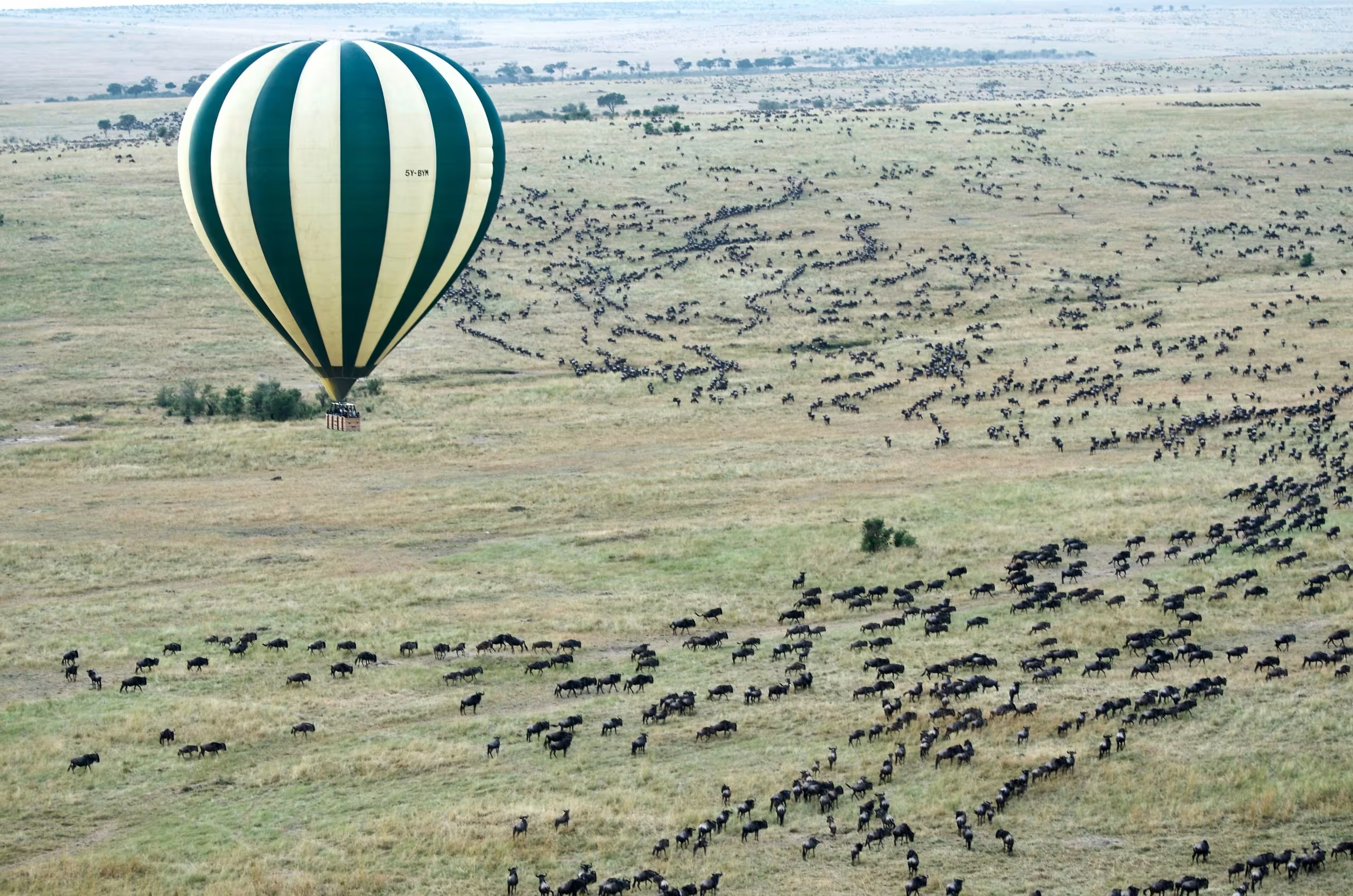
Hot-Air Balloon Safaris
Maasai Community Visits
A community visit adds a human perspective to a landscape that is also home to Maasai communities. Arrange it through a community that welcomes visitors, with time for conversation rather than only a brief performance and photographs. Depending on the programme, you can learn about pastoral livelihoods, beadwork, homes and the ways community members balance changing livelihoods with cultural traditions. Ask questions and let your hosts explain their own experiences rather than expecting every community to follow an identical programme. Confirm the visit fee, what it includes and how payments reach the hosts. Ask permission before photographing people, their homes or livestock, and clarify any separate photography charges. Allow enough time to engage without rushing back to another activity. Guided walks and night drives require separate planning. Some neighbouring conservancies offer them through their camps, but do not assume they are included or permitted wherever you stay.
Best Time to Visit Masai Mara
The best time to visit Masai Mara depends on whether you prioritise migration herds, resident wildlife or greener landscapes. July to October is the main migration planning window, but lions, elephants, giraffes and other resident animals give the Mara interest outside those months.
| Period | Main appeal | What to plan around |
|---|---|---|
| January and February | Resident wildlife and generally drier conditions. | Prioritise game drives across varied habitats rather than expecting the main migration herds. |
| March to May | Greener scenery and changing skies during the long-rain period. | Allow for muddy tracks and confirm camp operations. |
| June | Transition towards drier conditions. | Select dates for general wildlife viewing without relying on an early migration arrival. |
| July to October | Migration herds alongside resident wildlife. | Book preferred camps early and match the base to your safari interests. |
| November and December | Fresh vegetation during and after the short rains. | Allow flexibility for showers and changing track conditions. |
How to Get to Masai Mara
You can reach the Masai Mara from Nairobi by road or take a short safari flight from Wilson Airport. Driving gives you time to enjoy the changing scenery along the way, while flying gets you to the reserve faster. Your choice will depend on your schedule, budget and where you plan to stay.
Driving from Nairobi
If you are staying in the southeastern part of the Mara, allow around 5 to 6 hours by road from Nairobi, including a short stop along the way. The drive takes you through the Great Rift Valley towards Narok before continuing to your camp or lodge. For accommodation in the southeastern Mara, you will generally use the Sekenani or Oloolaimutia approach, depending on where you are staying. If your camp is in the Mara Triangle or near the western escarpment, the route will be different, so check the directions with your lodge before setting off.
Flying from Nairobi
Flying is a convenient option if you want to spend less time on the road and more time on safari. Scheduled flights leave from Wilson Airport in Nairobi and take approximately one hour to reach the Mara, although flights serving several airstrips can take longer. Before booking, confirm which airstrip serves your camp. On arrival, your lodge or safari operator can arrange a vehicle to collect you and transfer you to your accommodation.
Where to Stay in Masai Mara
Select your safari area before comparing individual camps and lodges. A property near the southeastern gates gives a different starting point from a lodge in the Mara Triangle or a camp in Naboisho Conservancy. The cheapest room can become a poor choice if it adds lengthy transfers to the areas you want to explore. For general wildlife viewing, prioritise access to varied habitats and enough time on game drives. For migration-focused travel, discuss likely herd areas for your dates before confirming the camp. Staying beside a river does not automatically place you near an active crossing point.
| Location | Accommodation | Safari suitability |
|---|---|---|
| Inside the Mara Triangle | Mara Serena Safari Lodge | A lodge-style base for exploring the western reserve, with views across the plains and towards the Mara River. Suits travellers who prefer permanent rooms and lodge facilities. |
| Inside the main reserve, approximately 2.5 km from Sekenani Gate | Sarova Mara Game Camp | A tented base convenient for the southeastern road approach. Suits an itinerary exploring this side of the reserve, with longer drives planned separately when travelling farther afield. |
| Mara Naboisho Conservancy, outside the national reserve | Naboisho Camp | A luxury tented stay for conservancy game viewing, with guided walks and night drives among its activities. Confirm arrangements and additional charges for any national reserve visit. |
How Many Days to Spend in Masai Mara
3 nights are a strong starting point for a first Masai Mara safari, giving you two full days between arrival and departure. That allows time for different habitats, repeat visits to promising areas and a choice between split drives and a full-day outing. A 2-night stay can work within a shorter Kenya itinerary, but it provides only one full day. When driving from Nairobi, much of the first and last day goes into the journey. Flying reduces travel time, although flight schedules and airstrip transfers still determine how much viewing you gain.
| Length of stay | Safari time | Best suited to |
|---|---|---|
| 2 nights | One full day, with arrival and departure drives dependent on transfer timings. | A focused introduction within a shorter itinerary. |
| 3 nights | Two full days to explore different habitats and revisit sightings. | First-time visitors wanting a balanced Mara experience. |
| 4 nights | Three full days, with more room for patient observation and changing conditions. | Migration-focused travel, photography and a less hurried pace. |
| 5 nights or more | Time to explore more deeply or divide the stay between different safari areas. | Travellers with specialist interests or those combining reserve and conservancy experiences. |
Combining Masai Mara with a Kenya Safari
Build the route around the experiences you want beyond the Mara’s grasslands and predators. Lake Nakuru adds lake habitats and rhino viewing, Samburu introduces northern dry-country wildlife, while Amboseli brings elephant viewing beneath Mount Kilimanjaro when skies are clear. Keep enough nights in the Mara before adding more destinations. A busy itinerary with repeated one-night stops can leave more time for packing and transfers than observing wildlife.
| Combination | What it adds | How to plan the route |
|---|---|---|
| Masai Mara and Lake Nakuru | Rhino viewing, lake scenery and a different mix of birdlife. | Include Nakuru before or after the Mara on a road circuit. Reserve a transfer day rather than promising a full game drive at both destinations. |
| Masai Mara and Lake Naivasha | A boat outing and separately arranged walking experiences that contrast with vehicle-based game drives. | Use Naivasha as a Rift Valley stop and identify the exact activity location. Confirm which activities and entry charges are included. |
| Masai Mara and Samburu | Grevy’s zebra, reticulated giraffe, gerenuk and other northern specialists. | Allow for a long road journey, break the route with another destination, or check suitable safari flight connections. |
| Masai Mara and Amboseli | Elephant-focused drives, wetland habitats and Kilimanjaro views in clear weather. | Treat this as a substantial transfer. Compare a road itinerary through Nairobi with available flight arrangements. |
Select a Route That Fits Your Available Days
For a shorter road safari, Lake Nakuru and Masai Mara provide a focused combination without trying to cover both northern and southern Kenya. Explore our Masai Mara and Lake Nakuru safari as a starting point. With more time, the Samburu, Lake Nakuru and Masai Mara safari adds contrasting wildlife regions. For an elephant-focused southern extension, consider the Amboseli, Lake Nakuru and Masai Mara itinerary. Adjust these routes around your arrival airport, travel dates and preferred pace. Confirm flight connections before building an itinerary that depends on them.