
A Great Migration safari in Tanzania is best planned around where the wildebeest herds are expected to be during your travel dates. The migration moves through the greater Serengeti ecosystem throughout the year as vast herds of wildebeest, zebras and gazelles follow fresh grazing and water, so there is no single Serengeti location that works equally well in every season. This 10-day safari combines several days in the Serengeti with wildlife viewing in Tarangire and Ngorongoro, while the Serengeti portion is adjusted to suit the migration phase. Early in the year, this may mean concentrating on the southern plains around the calving grounds. During the northern migration period, more time can be positioned around the Mara River region where crossings may occur. AA Safaris & Tours can adjust the route, accommodation, and Serengeti region around the season you want to experience.
10-Day Great Migration Safari Highlights
| Safari Detail | What to Expect |
|---|---|
| Duration | 10 days |
| Start point | Arusha |
| End point | Arusha or Kilimanjaro International Airport |
| Main focus | Great Migration and northern Tanzania wildlife |
| Main destinations | Tarangire, Ngorongoro and Serengeti |
| Safari style | Private 4×4 safari |
| Migration route | Adjusted according to travel season and herd movement |
| Best suited to | Wildlife, migration viewing and photography |
Where Is the Great Migration During the Year?
The Great Migration moves through different parts of the Serengeti ecosystem throughout the year. Early in the year, large herds gather on the southern plains around Ndutu for the calving season. As conditions change, they move through central and western Serengeti before many herds reach the north and the Mara River area. Later in the year, the movement gradually turns south again. The exact timing can shift because the migration follows rainfall and grazing conditions rather than a fixed timetable.
| Period | Typical Migration Area | Main Experience |
|---|---|---|
| January to March | Southern Serengeti and Ndutu | Calving season, large herds and strong predator activity |
| April to June | Central Serengeti and Western Corridor | Herds moving north and west, including the Grumeti region |
| July to October | Northern Serengeti and Mara River area | Large northern herds and possible river crossings |
| November to December | Northern, central and eastern Serengeti moving south | Herds returning towards the southern plains |
Mara River Crossings or Calving Season?
The Mara River crossings and the wildebeest calving season give you two very different ways to experience the Great Migration. If you want the drama of huge herds gathering at the river and making the dangerous crossing, the northern Serengeti is the place to focus on from around July to October. If you would rather see the herds spread across the open plains with newborn calves and plenty of predator action, head south to the Serengeti and Ndutu between January and March.
Mara River Crossings
From around July to October, large wildebeest herds move into the northern Serengeti, where the Mara River becomes one of the biggest highlights of the migration. When the herds finally decide to cross, hundreds or even thousands of animals can pour into the water at once, creating one of the most dramatic scenes you can witness on safari. The difficult part is the waiting. A herd can gather along the river for hours or even days before making a move, and sometimes they turn around and disappear without crossing at all. This unpredictability is part of what makes the experience so exciting. Around the river, there are designated viewing areas to manage the large number of safari vehicles that gather during the crossing season.
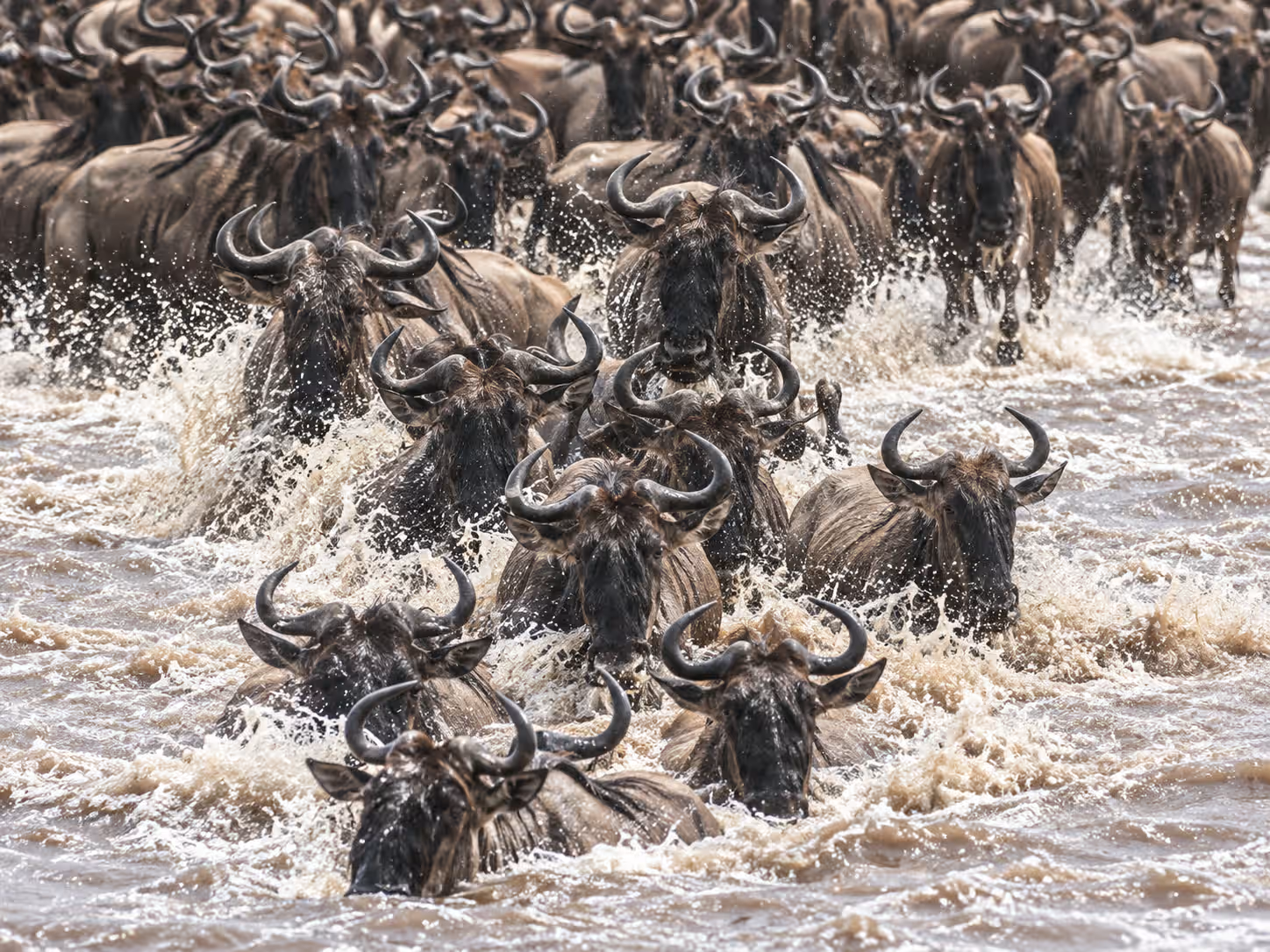
Mara River Crossings in northern serengeti
Calving Season
Between roughly January and March, the migration takes on a completely different character in the southern Serengeti and around Ndutu. The short-grass plains become filled with wildebeest, and the arrival of thousands of newborn calves brings a different kind of excitement to the safari. The main calving period falls around mid-February, when large numbers of calves are born within a short time. With so many young animals on the plains, predators such as lions, cheetahs and hyenas have plenty of opportunities to hunt, making this an excellent time for travellers who enjoy predator action as much as the migration itself.
Which One Should You Choose?
Choose the Mara River crossings if you want dramatic river scenes, huge herds and the thrill of watching the animals make their move. Choose calving season if you want to see newborn wildebeest, large concentrations of animals on the open plains and some of the best predator action of the migration. Neither experience is better than the other. It simply comes down to whether you want the drama of the river or the energy of the calving plains.
How This Great Migration Safari Changes by Season
The 10-day route should not use the same Serengeti camp area throughout the year. The parks outside the Serengeti can remain broadly similar, but the Serengeti nights should move with the migration phase. Early in the year, more time should be positioned in the south around Ndutu. During the middle of the year, the focus moves through central and western areas, while the main river-crossing period requires more time in northern Serengeti.
| Travel Period | Main Serengeti Focus | Recommended Route Adjustment |
|---|---|---|
| January to March | Ndutu and southern Serengeti | Keep more nights in the southern plains for calving season and reduce unnecessary movement north |
| April to June | Central Serengeti and Western Corridor | Position the safari around the northward movement of the herds and the Grumeti region |
| July to October | Northern Serengeti and Mara River area | Allocate more nights around Kogatende or Lamai to improve access to possible river crossings |
| November to December | Central and eastern Serengeti moving south | Keep the Serengeti section flexible as the herds begin returning towards the southern plains |
10-DAY GREAT MIGRATION SAFARI ITINERARY
Day 1, Arrive in Arusha
Arrive at Kilimanjaro International Airport, where your driver-guide will meet you and transfer you to your accommodation in or around Arusha. The rest of the day is left free for you to recover from the flight, settle in and prepare for the safari ahead. Your guide can also use this time to confirm the route, expected migration conditions and the next day’s departure. Arusha is the main gateway to Tanzania’s northern safari circuit, making it a convenient starting point before travelling to Tarangire, Ngorongoro and the Serengeti.
Day 2, Arusha to Tarangire National Park
After breakfast, leave Arusha and drive to Tarangire National Park for your first full safari day. Tarangire is known for its large elephant herds, baobab-dotted landscapes and the Tarangire River, which supports wildlife throughout much of the year. Spend the day on game drives looking for elephants, giraffes, buffaloes, zebras, antelopes and predators, with birdlife adding further interest along the river and woodland areas. The park gives the itinerary a strong wildlife opening before the route moves towards Ngorongoro and the Serengeti.
Day 3, Tarangire Wildlife Safari and Continue To Ngorongoro
Begin with a final morning game drive in Tarangire National Park, when cooler conditions can bring good wildlife activity along the river, woodland and open plains. Look for elephants, giraffes, zebras, buffaloes, antelopes and predators before leaving the park. After the game drive, continue to the Ngorongoro Highlands, passing through the changing landscapes of northern Tanzania. This move places you closer to Ngorongoro Crater and shortens the following day’s journey, while keeping the itinerary moving steadily towards the Serengeti and the migration areas. Arrive at your lodge in the afternoon or early evening, with time to relax before dinner.
Day 4, Ngorongoro Crater Safari
After an early breakfast, drive to the Ngorongoro Crater and descend to the crater floor for a full game-viewing experience. The enclosed landscape supports a high concentration of wildlife, including lions, elephants, buffaloes, zebras, wildebeest, hippos and numerous antelope species, with good chances of seeing predators during the day. Spend several hours exploring the crater floor, stopping for a picnic lunch before continuing the game drive through grasslands, woodland and wetland areas. Later in the afternoon, leave the crater and return to your lodge in the Ngorongoro Highlands. This day adds a strong classic wildlife experience before the safari moves into the Serengeti, where the Great Migration becomes the main focus. Accommodation: Ngorongoro Highlands or Karatu area
Day 5, Ngorongoro to the Serengeti
After breakfast, leave the Ngorongoro Highlands and continue towards the Serengeti ecosystem, entering the region that is the main focus of the safari from this point onward. The exact destination within the Serengeti should depend on the migration season. From January to March, the route may concentrate on the southern plains and Ndutu area. From April to June, central or western Serengeti can become more important, while July to October usually requires positioning farther north towards the Mara River region. Enjoy game viewing along the way as the landscape opens into wider plains, with chances to see wildebeest, zebras, gazelles, predators and other wildlife before reaching the camp or lodge selected for the current migration phase. Accommodation: Serengeti region matched to the season
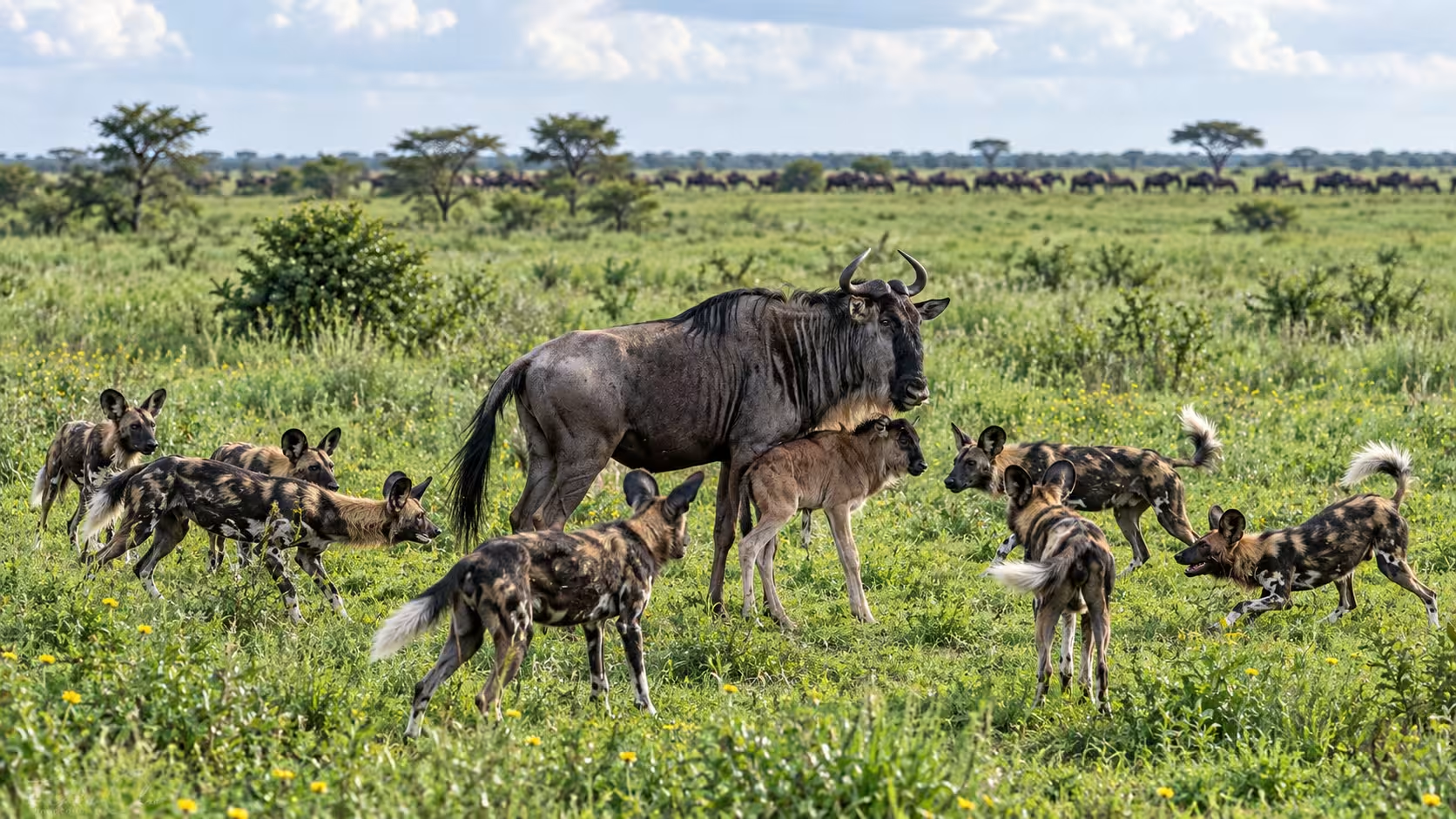
Spend the day in the part of the Serengeti that best matches the migration during your travel dates. From January to March, this normally means the Ndutu area and southern Serengeti, where large wildebeest herds gather across the short-grass plains during the calving period. From April into June, the focus shifts through Central Serengeti around Seronera and towards the Western Corridor and Grumeti region as the herds continue north. During July to October, more time should be spent in Northern Serengeti around Kogatende, Lamai and the Mara River, where large concentrations of wildebeest may gather near crossing points. By November and December, many herds begin moving south again through the northern, eastern and central Serengeti towards the southern plains. Your guide will concentrate the day’s game drives around the most productive part of that seasonal route
Day 8, Predators and Wildlife Around the Migration Herds
The Great Migration is not only about wildebeest movement. Spend Day 8 looking more closely at the wildlife that follows and lives around the herds. In Ndutu and Southern Serengeti, the calving period attracts lions, cheetahs, hyenas and other predators taking advantage of vulnerable young animals. Around Seronera and Central Serengeti, resident big cats remain a major part of the game-viewing experience even when the main herds are moving through. The Western Corridor and Grumeti region, the landscape changes to woodland, riverine habitat and open plains, while Northern Serengeti combines migration herds with resident wildlife around Kogatende and Lamai. This day gives you time to look beyond herd numbers and understand the wider predator-prey relationships that make the Serengeti ecosystem so rewarding.
Day 9, Final Great Migration Game Drive in the Serengeti
Spend your final full day in the Serengeti returning to the most productive area based on the herd movements and wildlife activity seen during the previous days. If you are staying around Ndutu or the Southern Serengeti, this may mean returning to large calving herds or an area where predators have been particularly active. In Central Serengeti or the Western Corridor, your guide can follow fresh movement towards Seronera, Grumeti or nearby plains. During the northern season, the day can be used around Kogatende, Lamai and the Mara River, allowing more time at promising crossing points if herds are gathering nearby. Keeping this final day flexible is more useful than following a fixed route because conditions in the Serengeti can change quickly.
Day 10, Fly from the Serengeti to Arusha or Kilimanjaro
After breakfast, enjoy a final short game drive if flight timing allows, then transfer to the airstrip for the scheduled flight back to Arusha. The departure airstrip should match the seasonal route. Northern Serengeti itineraries may finish near Kogatende, while central or southern migration routes use the most practical airstrip for that region. On arrival in Arusha, continue to Kilimanjaro International Airport for your onward flight or transfer to a hotel if you are staying another night in Tanzania. This flight saves a long return journey by road and provides a practical finish to the 10-day Great Migration safari.
Where to Stay During the Great Migration
Where you stay in the Serengeti should depend on the migration phase during your travel dates. Using the same camp location throughout the year can leave you several hours from the main concentrations of wildebeest, particularly when the herds have moved between the southern and northern ends of the ecosystem.
| Migration Phase | Best Area to Stay | Lodge or Camp | Why It Works |
|---|---|---|---|
| January to March | Ndutu and Southern Serengeti | Ndutu Safari Lodge | Close to the short-grass plains used by large wildebeest herds during the calving period |
| April to May | Central Serengeti and Seronera | Serengeti Serena Safari Lodge | Provides a useful central base as herds spread north through the Serengeti |
| May to June | Western Corridor and Grumeti | Kirawira Serena Camp | Positioned in the Western Corridor for the westward and northward migration movement |
| July to October | Kogatende, Lamai and Northern Serengeti | Serengeti Mara River Camp | Gives better access to northern migration areas and the wider Mara River region |
| November to December | Eastern and Central Serengeti | Serengeti Kati Kati Tented Camp | Works well as herds begin moving through central areas towards the southern plains |
Getting to the Serengeti for the Great Migration
You can reach the Serengeti by road or by air, and the better choice depends on how you have planned the rest of your safari. If you are starting in Arusha and visiting Tarangire and Ngorongoro first, travelling by road makes good sense. The route takes you naturally from the northern safari circuit into the Serengeti, with plenty to see along the way. Flying is the better option when time is tight, or you want to get straight to the part of the Serengeti where the migration is taking place. There are several airstrips across the park, including Seronera in the central Serengeti, Kusini in the south, Kirawira in the west, and Kogatende and Lamai in the north. Flights can be arranged from Arusha. For a Great Migration safari, we would not automatically choose Seronera simply because it is in the centre of the park. The herds move throughout the year, so it makes more sense to fly into the airstrip closest to the migration area you are targeting. This can save hours of driving and put you much closer to the action from the moment you arrive.
What Affects the Cost of a Great Migration Safari?
The cost of a Great Migration safari depends mainly on when you travel, where the herds are, how many nights you spend in the Serengeti, and the level of accommodation you choose. Trips during the popular northern migration period can cost more because camps around Kogatende, Lamai and the Mara River are in high demand. Calving-season safaris around Ndutu and the Southern Serengeti can also be busy when travellers are specifically targeting large herds and newborn wildebeest. Transport makes another difference. A fully overland safari is generally structured differently from one using scheduled or charter flights between Arusha and the Serengeti. Private 4×4 transport, park fees, conservation fees, domestic flights, accommodation category and the number of travellers sharing the vehicle all affect the final price. The best comparison is therefore not simply the total figure, but what the safari includes and how well the route is positioned for the migration season.
Safari Inclusions and Exclusions
| Included in the Safari | Not Included |
|---|---|
| Accommodation for the nights shown in the itinerary | International flights to and from Tanzania |
| Meals specified in the itinerary | Tanzania visa fees |
| Private 4×4 safari vehicle with an experienced driver-guide | Travel and medical insurance |
| Airport arrival transfer in Arusha | Tips and gratuities |
| Game drives in Tarangire, Ngorongoro and the Serengeti | Alcoholic drinks and personal beverages unless specifically included |
| National park and conservation fees for the itinerary | Laundry and other personal expenses |
| Ngorongoro Crater game drive | Optional activities not listed in the confirmed itinerary |
| Scheduled flight from the Serengeti to Arusha at the end of the safari | Additional accommodation before or after the safari |
| Transfers between the parks, lodges and airstrips used in the itinerary | Costs resulting from changes requested after the itinerary is confirmed |