
Kidepo Valley National Park covers 1,442 sq km of semi-arid savannah, seasonal river valleys and mountain country in north-eastern Uganda, close to the borders with South Sudan and Kenya. The park sits roughly 700 km from Kampala, so reaching it takes more effort than Uganda’s western safari parks, but that distance is also part of its appeal. Once inside, you are looking across broad open plains framed by the Morungole Mountains, Napore-Nyungea range and distant peaks towards South Sudan, with very little development breaking up the landscape. Kidepo supports more than 77 mammal species and 476 bird species, including buffaloes, elephants, giraffes, zebras, lions, cheetahs and Uganda’s only wild ostrich population. For safari planning, it helps to understand the difference between the park’s two main valleys. The greener Narus Valley around Apoka is the main wildlife-viewing area because it holds water for much of the year, drawing large concentrations of animals, especially in the dry months. The drier Kidepo Valley is less about dense game and more about space, scenery, ostriches, the broad sandy Kidepo River bed and the drive towards Kanangorok Hot Springs, about 11 km beyond the river crossing. This is not a park to rush through in one night. Once you have made the journey north, allow enough time for Narus game drives, a Kidepo Valley excursion and at least one additional experience such as a guided walk or community visit
Kidepo Valley National Park Quick Facts
| Location | North-eastern Uganda, in the Karamoja region near South Sudan and Kenya |
|---|---|
| Park Size | About 1,442 sq km |
| Altitude | Roughly 914 to 2,750 metres above sea level |
| Mammal Species | More than 77 recorded species |
| Bird Species | About 476 recorded species |
| Main Safari Areas | Narus Valley, Kidepo Valley and the Apoka area |
Game Drives in Kidepo Valley National Park
Game drives are the main safari experience in Kidepo, but the park works best when you treat Narus Valley and Kidepo Valley as two different areas. Narus is where you concentrate on wildlife, while the Kidepo Valley drive is more about scenery, dry-country birds and the scale of the northern landscape. Early morning and late afternoon are usually the most productive periods for wildlife activity, and the open country makes it possible to scan large areas without constantly losing animals in thick vegetation.
Narus Valley Game Drives
The Narus Valley, south of Apoka, is Kidepo’s main game-viewing area because it holds water for much of the year. During the drier months, wildlife concentrates around the valley floor and remaining water sources, making this the best place to search for large buffalo herds, elephants, giraffes, zebras, hartebeest and predators. The main circuits include Kakine, Katurum and Nagusokopire, with additional loops opening up quieter parts of the valley. Buffalo often gather around the wetter valley floor, giraffes favour the drier slopes, and rocky outcrops are worth scanning carefully for lions. For a proper Narus game drive, allow at least 2 to 3 hours, and longer if photography is important. A morning drive can start around sunrise and still leave enough time to return to Apoka for breakfast or continue into another activity later in the day. The viewpoints at Kakine and Nagusokopire are also useful stops when you want to take in the wider valley and mountain backdrop rather than spend the entire drive moving from sighting to sighting.
Kidepo Valley Scenic Drive
The Kidepo Valley is much drier and usually holds less concentrated big game than Narus, but it gives you the park’s strongest sense of scale. The drive from Apoka is about 30 km, crossing the watershed at Lokimorigen before dropping towards the broad, sandy Kidepo River bed. This is where the safari becomes less about chasing mammals and more about the landscape itself, with wide views towards the mountains of South Sudan and a much more open, semi-arid feel. Ostriches and secretary birds are among the more distinctive sightings on this side of the park. From the river crossing, the road continues another 11 km to Kanangorok Hot Springs, close to the South Sudan border. A ranger escort is required for this excursion, so it is better planned as a separate half-day outing rather than added casually onto a short Narus game drive.
Wildlife in Kidepo Valley National Park
Kidepo supports more than 77 mammal species, but what makes the park interesting is the mix of wildlife you do not commonly find together elsewhere in Uganda. Buffaloes are often the most impressive sight, sometimes gathering in very large herds around the Narus Valley during dry periods. Elephants, Nubian giraffes, zebras, hartebeest, waterbuck and several antelope species are also regularly seen on game drives. Kidepo is one of Uganda’s key areas for cheetahs, while leopards and spotted hyenas also occur in the park. Lions are present too, but they should be treated as a possible sighting rather than something to expect on every drive.
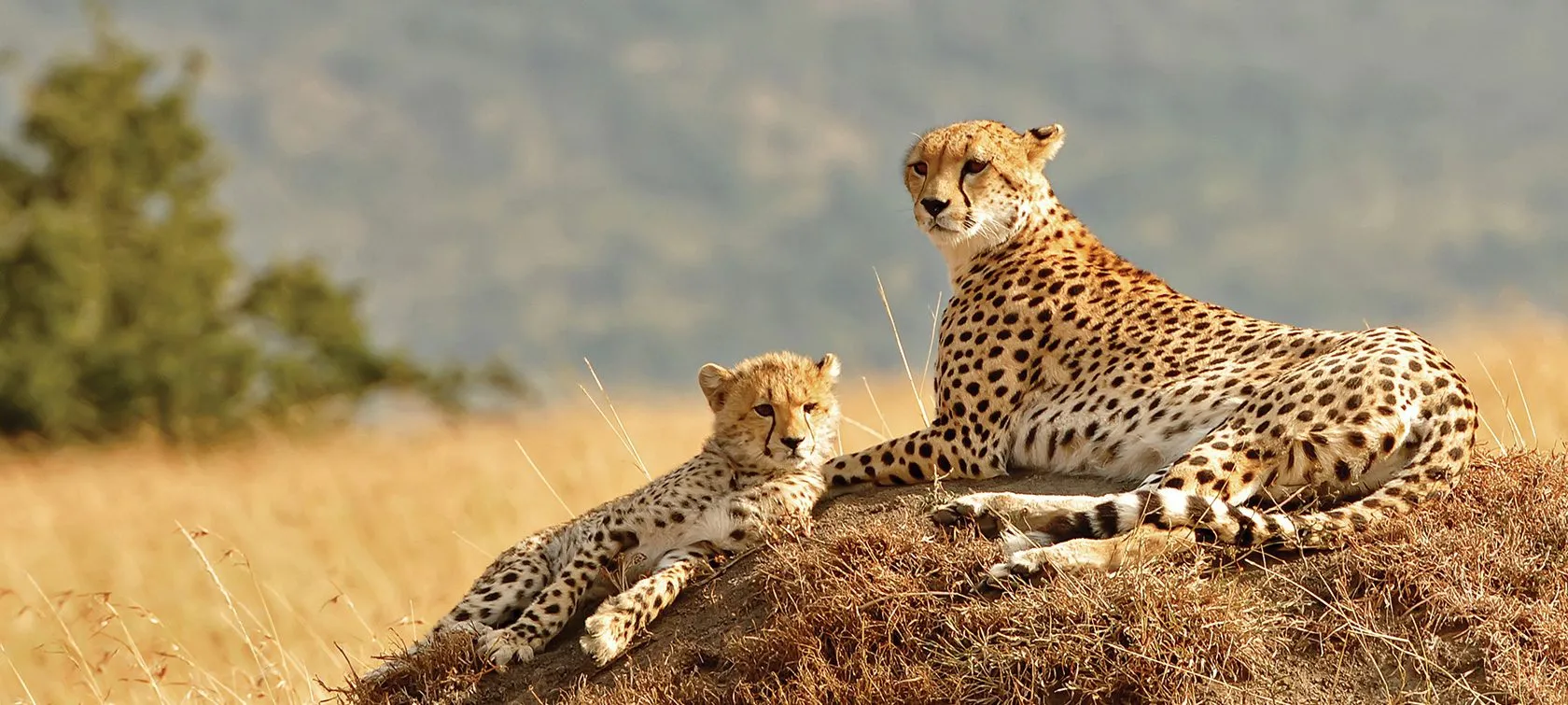
Cheetahs in Kidepo Valley National Park
The drier Kidepo Valley adds wildlife you are less likely to see around the wetter Narus area. Wild ostriches are one of the park’s most distinctive species, while secretary birds and other dry-country wildlife fit naturally into drives towards the Kidepo River and Kanangorok. Southern white rhinos also began returning to Kidepo in March 2026 after more than four decades away, but the first animals are being managed within a secure sanctuary as part of the reintroduction programme. For now, travellers should not plan an ordinary game drive expecting free-ranging rhino sightings.
Kanangorok Hot Springs and the Kidepo Valley
The drive to Kanangorok Hot Springs takes you into the drier northern side of Kidepo, where the landscape opens into broad semi-arid plains and the sandy bed of the Kidepo River becomes part of the experience. From Apoka, the drive to the Kidepo Valley is about 30 km, passing through Lokimorigen before dropping towards the river crossing. Beyond the river, wildlife becomes more scattered, but this is where ostriches, secretary birds and other dry-country species are more likely to appear against the open landscape. The hot springs lie about 11 km beyond the Kidepo River crossing, close to the South Sudan border. They are a modest cluster of warm pools rather than a large geothermal attraction, so the real value of the excursion is the journey itself, the dry riverbed, the mountain views and the sense of reaching one of the most remote corners of the park. Allow a half day for the outing rather than trying to squeeze it into a short Narus game drive. A ranger escort is also sensible for this more remote side of Kidepo, especially if you want to stop and walk around the riverbed or springs area.
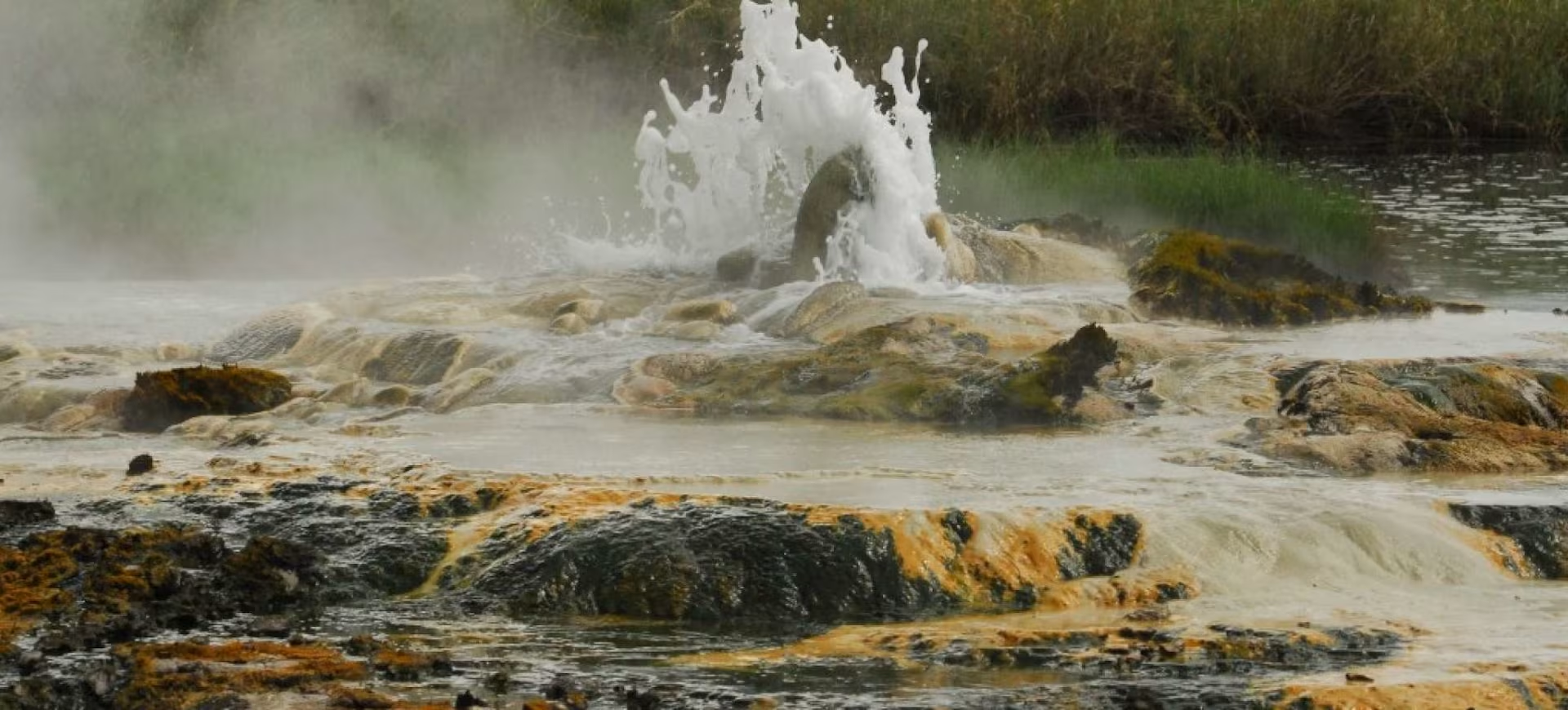
Kanangorok Hot Springs
Walking Safaris in Kidepo Valley National Park
Walking in Kidepo gives you a much closer sense of the landscape than you get from a vehicle. Short guided walks around Apoka and the Narus Valley are the easiest option, with chances to see zebras, hartebeest, reedbuck and other plains wildlife on foot. Longer walks through East Kakine move into more open grassland where giraffes, buffaloes and elephants may be seen at a safer distance. All walks are done with a ranger guide because this is active wildlife country, not a fenced nature trail. For travellers wanting a longer outing, the Rionomoe Trail stretches about 15 km along the southern side of the Narus Valley and can be walked in part or as a fuller route depending on time and fitness. Early morning is usually the better time to start because temperatures rise quickly later in the day. Wear proper walking shoes, carry enough water and keep the rest of the day flexible, especially if you are combining the walk with an afternoon game drive. The value of walking here is not about getting as close as possible to large animals, but about slowing down enough to notice tracks, smaller wildlife, birds and the scale of the valley in a way that is easy to miss from a safari vehicle
Birdwatching in Kidepo Valley National Park
Kidepo is one of Uganda’s strongest birding parks, with about 476 recorded species, including many dry-country birds that are difficult to find elsewhere in the country. The open plains around Apoka and Narus Valley are good for large, visible species such as secretary birds, Abyssinian ground hornbills and various raptors, while the drier northern side towards the Kidepo Valley is where ostriches become one of the main targets. Kidepo is also especially strong for birds of prey, with dozens of raptor species recorded across the park, including lappet-faced vultures, lesser kestrels and other large savannah hunters. For travellers who are not dedicated birders, the easiest approach is to combine birding with normal game drives because many of the larger species are seen from the vehicle. Serious birders should allow a separate morning around Narus Valley, Namamukweny Valley and the Apoka area, moving slowly and stopping often rather than covering long distances. Binoculars are essential, and early morning is usually the most productive period before the heat builds across the plains. If ostrich, secretary bird and other dry-country species are a priority, include the Kidepo Valley drive rather than limiting the safari to Narus alone
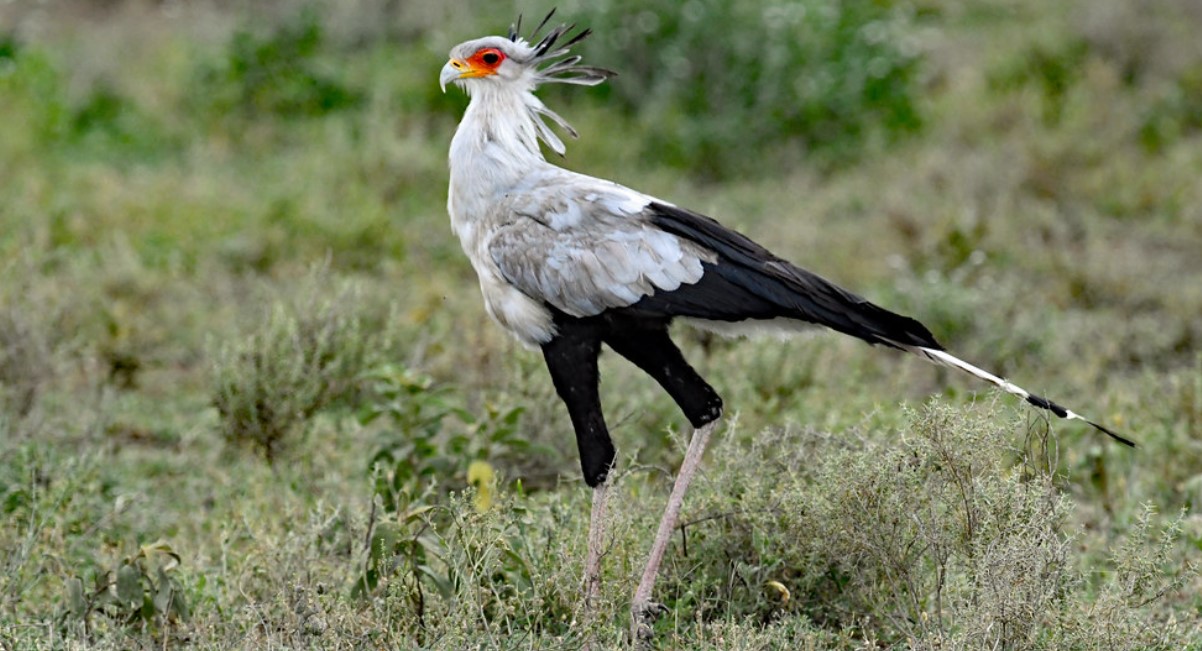
secretary bird
Karamojong Cultural Experiences
A community visit around Kidepo adds useful context to the landscape you have been driving through. The Karamojong have traditionally depended heavily on cattle and pastoral life, and visits can be arranged to manyattas around Kawalakol, Lorukul and Karenga. You can spend time learning how homesteads are organised, how livestock shapes daily life, and how local customs, dance, dress and craftwork remain part of community identity. Items such as stools, jewellery, spears and knives are also commonly made and sold locally. Allow a few hours rather than squeezing the visit between game drives, especially if you want time for conversation instead of treating it as a quick performance stop. These visits are best arranged in advance through the lodge, safari guide or recognised community tourism contacts so the host community knows you are coming. If your itinerary is already based around Apoka or Karenga, the experience fits well into an afternoon after a morning game drive. Travellers wanting something more physically demanding and culturally different should treat the Ik community on Mount Morungole as a separate experience because that requires a mountain hike and a much bigger time commitment.
Mount Morungole and the Ik Community
Mount Morungole rises sharply from the plains north-east of Apoka, reaching about 2,749 metres, and the hike into the Morungole range is one of the most demanding cultural experiences around Kidepo. The Ik live high on the mountain slopes, so this is not a short village visit. Treat it as a full-day outing, with several hours of uphill walking before reaching the community and a long descent afterwards. Fit walkers may reach the village in around 3½ to 4 hours, while a slower group can take closer to 5 hours going up. Start early, carry plenty of water, and use proper hiking shoes because the trail is long and exposed in places. The reward is not only the cultural visit. As you climb, the views open across the Kidepo and Narus plains, towards Kenya and the South Sudan side of the landscape. Time with the Ik is best approached as a respectful community visit, with a local guide helping with introductions and explaining everyday life, farming, language and the relationship between the community and the mountain. Arrange the visit in advance rather than arriving unannounced.
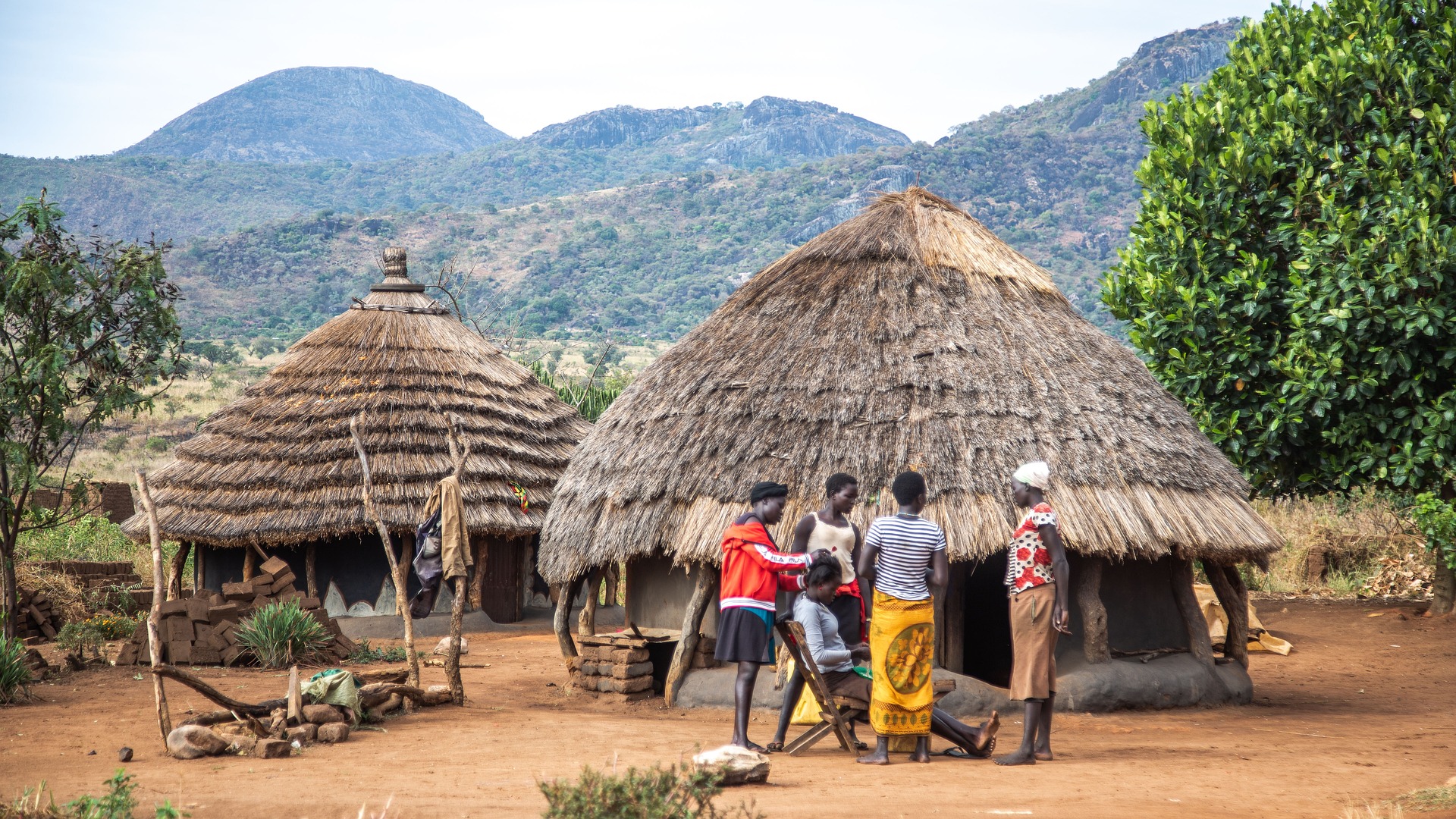
Ik Community
How to Get to Kidepo Valley National Park
| Route | Approximate Distance | Allow |
|---|---|---|
| Kampala to Kidepo via Gulu and Kitgum | About 571 km | Around 10 hours in good conditions |
| Kampala to Kidepo via Mbale and Moroto | About 661 km | Full-day journey |
| Gulu or Kitgum to Kidepo | Best used as an overnight break route | Continue to Kidepo the following morning |
| Entebbe or Kajjansi to Apoka area | Domestic flight | Confirm current flight schedule, then lodge transfer |
Where to Stay in Kidepo Valley National Park
Accommodation in Kidepo is more limited than in Uganda’s western safari parks, so lodge choice should be made early, especially if you are flying in or travelling during busier months. For the easiest access to the main Narus Valley game-drive circuits, staying around Apoka is the most practical option
| Category | Recommended Accommodation | Best Suited To |
|---|---|---|
| Luxury | Apoka Safari Lodge Adere Safari Lodge |
Travellers wanting higher comfort and easy access to the main safari areas |
| Mid-range | Kidepo Savannah Lodge Nga’Moru Wilderness Camp |
Most road-safari travellers looking for comfort without the highest lodge rates |
| Budget | Apoka Rest Camp | Travellers prioritising location and simplicity |
| Camping | Apoka area campsites Kakine Campsite Nagusokopire Campsite |
Travellers wanting a more basic wilderness stay |
Best Time to Visit Kidepo Valley National Park
Kidepo can be visited throughout the year, but November to March is the strongest period for straightforward wildlife viewing. These are the drier months, when seasonal water disappears across much of the park, and animals increasingly concentrate around the remaining pools in the Narus Valley. This makes buffaloes, elephants, giraffes, zebras and antelopes easier to locate around the main game-drive circuits. It is also the hotter part of the year, with daytime temperatures sometimes rising above 40°C, so early-morning and late-afternoon drives are far more comfortable than spending the middle of the day out on the plains. The main rains generally fall from April to October, transforming the dry plains into greener grassland and giving the park a very different appearance. Wildlife becomes more dispersed because water is more widely available, but this period is excellent for scenery, birding and photography, with less dust and dramatic skies over the mountains. Some roads can become slower after heavy rain, particularly away from the main Narus circuits, so a 4WD vehicle becomes more important. For first-time visitors mainly interested in game viewing, I would favour December to February, while photographers and birders may appreciate the greener months despite the more variable road conditions