
Rwanda safaris combine mountain gorilla trekking, Big Five wildlife and rainforest primates within a relatively compact country. Volcanoes National Park is the centre of Rwanda’s gorilla trekking, Akagera National Park adds game drives and boat safaris, while Nyungwe National Park brings chimpanzee tracking, forest walks and the canopy walkway.
Kigali sits naturally between these safari regions, making it possible to build shorter focused trips or longer itineraries linking several parts of the country without spending excessive time on the road. Lake Kivu can also be added between the western destinations for a quieter break between trekking days.
AA Safaris & Tours arranges private Rwanda safari tours around your available time and interests, including gorilla and chimpanzee permits, accommodation, private transport and the park combinations that make practical sense for the number of days you have.
Why Choose Rwanda for Safari
Rwanda is particularly well suited to travellers who want to combine several major safari experiences without spending long days moving between distant regions. From Kigali, it is possible to reach the mountain forests of the northwest, the savannah of eastern Rwanda and the rainforests of the southwest within one carefully planned itinerary.
The country also allows very different experiences to sit naturally within the same trip. A traveller can track mountain gorillas, look for the Big Five, walk through high-altitude rainforest and spend time beside Lake Kivu without crossing an international border.
Rwanda also works well for shorter African safaris. Travellers with limited time can concentrate on Volcanoes National Park or Akagera, while those with a week or more can connect several regions at a comfortable pace. This makes Rwanda especially flexible for first-time visitors, primate-focused travellers and those combining Rwanda with Uganda.
Types of Rwanda Safaris
Gorilla Trekking Safaris
Gorilla trekking is Rwanda’s best-known safari experience and takes place in Volcanoes National Park. These trips work well as short journeys from Kigali or as part of a longer itinerary combining wildlife, chimpanzees and Lake Kivu. Because the park is relatively easy to reach from the capital, Rwanda is particularly suitable for travellers with limited time who still want a full gorilla trekking experience.
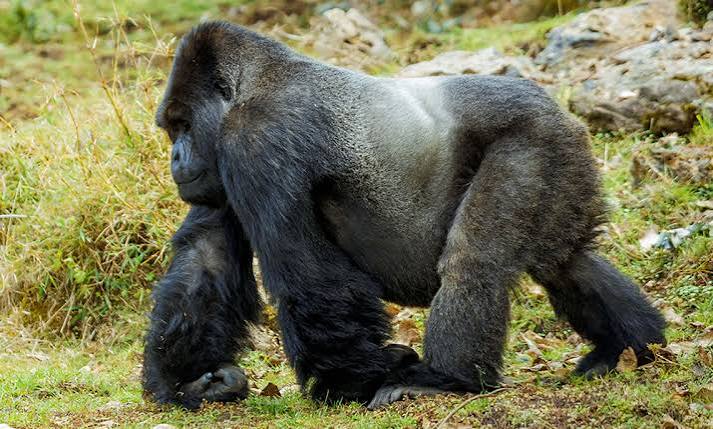
Gorilla trekking in rwanda
Wildlife Safaris
Akagera National Park is Rwanda’s main savannah safari destination and the place to look for lions, elephants, buffaloes, rhinos, leopards and other wildlife. Game drives can be combined with boat trips on the park’s lakes, giving the experience a different character from Rwanda’s forest destinations. Akagera fits naturally at the beginning or end of a wider Rwanda itinerary.
Chimpanzee and Primate Safaris
Rwanda’s strongest chimpanzee experiences are centred around Nyungwe National Park, where forest trekking can be combined with other primates, birding and the canopy walkway. Gishwati Mukura can also be considered on longer primate-focused routes. These trips work especially well for travellers who want to combine mountain gorillas with a second major primate experience.
Hiking and Active Safaris
Active trips can include Mount Bisoke, Mount Karisimbi, forest walks, canopy experiences and cycling routes. These safaris suit travellers who want more physical days between wildlife and primate activities, but the itinerary should allow enough recovery time between demanding hikes and trekking days.
Rwanda and Uganda Safaris
Rwanda combines easily with Uganda for travellers who want to extend the trip beyond one country. Cross-border itineraries can connect Volcanoes National Park with Bwindi, Queen Elizabeth, Kibale or other western Uganda destinations, depending on the number of days available.
Best Rwanda Safari Destinations
Rwanda’s four national parks offer very different safari experiences. Volcanoes National Park is the centre of mountain gorilla trekking, Akagera provides the country’s main savannah wildlife experience, Nyungwe is strongest for chimpanzees and rainforest trekking, while Gishwati Mukura suits travellers looking for a smaller and less heavily visited primate forest. The best itinerary depends on whether you want to prioritise gorillas, wildlife, primates or combine several regions in one journey.
Volcanoes National Park for Gorilla Trekking
Volcanoes National Park is Rwanda’s main mountain gorilla trekking destination and one of the easiest major gorilla areas to reach from an international arrival point in East Africa. The drive from Kigali is roughly three hours, making the park practical for both short gorilla trips and longer Rwanda itineraries. Beyond gorilla trekking, the park also offers golden monkey tracking and mountain hiking, with the Virunga volcanoes creating a very different setting from Rwanda’s savannah and rainforest parks. Volcanoes works particularly well at the beginning or end of a route that also includes Akagera, Lake Kivu or Nyungwe.
Akagera National Park for Big Five Safaris
Akagera National Park is Rwanda’s main destination for a traditional savannah safari and the best place in the country to look for the Big Five. Its landscape combines open plains, woodland, wetlands and lakes, supporting elephants, buffaloes, lions, rhinos, giraffes, zebras, antelopes and a wide range of birdlife. Game drives form the core of the experience, while boat safaris add another perspective on the park’s lakes and wetland wildlife. Akagera fits particularly well at the start or end of a Rwanda itinerary through Kigali before continuing towards Volcanoes National Park or the western forest regions.
Nyungwe National Park for Chimpanzee Trekking
Nyungwe National Park is Rwanda’s strongest destination for chimpanzee trekking and wider rainforest experiences. The forest supports chimpanzees alongside numerous other primates, while guided trails, birding and the canopy walkway add variety for travellers spending more than one day in the area. Nyungwe was inscribed as a UNESCO World Heritage Site in 2023, recognising its exceptional Afromontane forest biodiversity and importance for threatened species, including the eastern chimpanzee. The park works particularly well on longer Rwanda safaris, usually combined with Lake Kivu, Kigali and Volcanoes National Park rather than treated as a quick extension.

Nyungwe canopy walk
Gishwati Mukura National Park for Primate and Forest Safaris
Gishwati Mukura National Park is Rwanda’s fourth national park and consists of the separate Gishwati and Mukura forests, covering about 34 square kilometres plus a buffer zone. It offers a smaller and more specialist forest experience than Nyungwe, with chimpanzees, golden monkeys, blue monkeys and L’Hoest’s monkeys among the primates recorded in the park. Visitor activities include guided chimpanzee and monkey tracking, forest walks, birding and waterfall visits. Gishwati Mukura works best for travellers with extra time who want to add another primate forest to a route through western Rwanda rather than treating it as a substitute for Nyungwe or Volcanoes National Park.
Other Rwanda Safari Destinations Worth Adding
Beyond the national parks, several places work well as extensions between major safari regions. Lake Kivu is useful for slower days between trekking areas, Kigali is the main arrival and departure hub, while Musanze and the Twin Lakes fit naturally around Volcanoes National Park. These stops are best used to improve the flow of the itinerary rather than treated as separate safaris.
| Destination | Best For | Where It Fits |
|---|---|---|
| Lake Kivu | Lakeside relaxation, boat trips and quieter days between trekking regions | Works well between Nyungwe, Gishwati Mukura and Volcanoes National Park |
| Kigali | Arrival, departure, museums, memorials, restaurants and city stays | Natural starting and finishing point for most Rwanda safaris |
| Musanze | Access to Volcanoes National Park, local markets and highland scenery | Best used as the main base for gorilla trekking and Virunga activities |
| Twin Lakes Burera and Ruhondo | Scenic viewpoints, canoeing and quieter countryside experiences | Easy extension from Musanze and Volcanoes National Park |
How Many Days Do You Need for a Rwanda Safari?
The right length for a Rwanda safari depends on how many regions you want to combine. Short trips can focus on gorilla trekking or Akagera, while longer itineraries allow enough time to connect Volcanoes National Park, Akagera, Nyungwe and Lake Kivu without rushing. For most first-time visitors, 6 to 10 days strikes a strong balance among primates, wildlife, and travel time.
| Safari Length | What It Can Realistically Cover | Best For |
|---|---|---|
| 1 to 3 days | One focused experience such as gorilla trekking or Akagera | Short extensions and travellers with limited time |
| 4 to 5 days | Gorilla trekking with Akagera, Lake Kivu or another nearby experience | Travellers wanting two major experiences |
| 6 to 8 days | Two to three major regions, combining gorillas, wildlife or Nyungwe | First-time visitors wanting variety |
| 9 to 12 days | Volcanoes, Akagera, Nyungwe, Lake Kivu and Kigali at a comfortable pace | Travellers wanting a fuller Rwanda safari |
| 13 days or more | Complete Rwanda itinerary or Rwanda combined with Uganda | Longer multi-region and cross-border safaris |
Best Time to Visit Rwanda for Safari
Rwanda can be visited year-round, but seasonal rainfall affects conditions for trekking, wildlife viewing, and road travel. The main dry season runs from June to mid-September, while another relatively drier period falls around December to February. These periods are popular for combining gorilla trekking with Akagera and other parts of the country. Rain does not stop safari activities, but it can make forest trails muddier and increase the time needed for some road journeys.
Drier Months
June to mid-September generally brings the driest conditions across much of Rwanda. Forest trails in Volcanoes and Nyungwe are often firmer, while game drives in Akagera can be easier as vegetation becomes less dense and wildlife gathers around reliable water sources. December to February is another useful period for travellers combining primate trekking, wildlife and Lake Kivu.
Wetter Months
The main wetter period normally runs from mid-February to May, with another rainy period from roughly mid-September to mid-December. Gorilla and chimpanzee trekking continue during these months, but forest trails can become slippery and waterproof clothing becomes more important. The landscapes are greener, and rainfall can vary considerably between Rwanda’s highland forests and the lower savannah areas of Akagera.
What Affects the Cost of a Rwanda Safari?
The cost of a Rwanda safari depends mainly on trip length, accommodation level, permit-based activities, private transport and the number of travellers sharing the vehicle. Gorilla trekking is one of the biggest individual expenses because the permit is charged separately for each trek. Chimpanzee tracking, specialist hikes and other park activities also add to the total. Accommodation can vary considerably, from comfortable mid-range lodges to high-end properties around Volcanoes National Park, Akagera and Nyungwe.
Transport is another important factor. Most Rwanda safaris use private road transfers, while helicopter connections can increase the cost significantly but reduce travel time between distant regions. A private safari also costs more per person when only one or two travellers share the vehicle. The best way to compare Rwanda safari prices is therefore to look at what is included, especially permits, park activities, accommodation, meals and private transfers, rather than comparing only the final figure.
Getting Around Rwanda on Safari
Most Rwanda safaris are travelled by private vehicle with a driver-guide, and the country’s main towns are connected by a generally well-surfaced road network. Smaller roads can be rougher, particularly during the rainy season, but road travel remains the most practical way to connect Kigali with the major safari regions. Kigali is the main starting point for most itineraries. Volcanoes National Park is around 2.5 to 3 hours by road, while Akagera is roughly 2.5 hours from Kigali on many standard routes.
Longer journeys towards Nyungwe and western Rwanda should be planned with enough time for stops rather than treated as quick transfers. For travellers who want to reduce road time, helicopter transfers are also available between selected regions, although they significantly increase the cost. The strongest Rwanda itinerary connects the parks in a logical order instead of returning to Kigali after every major activity.
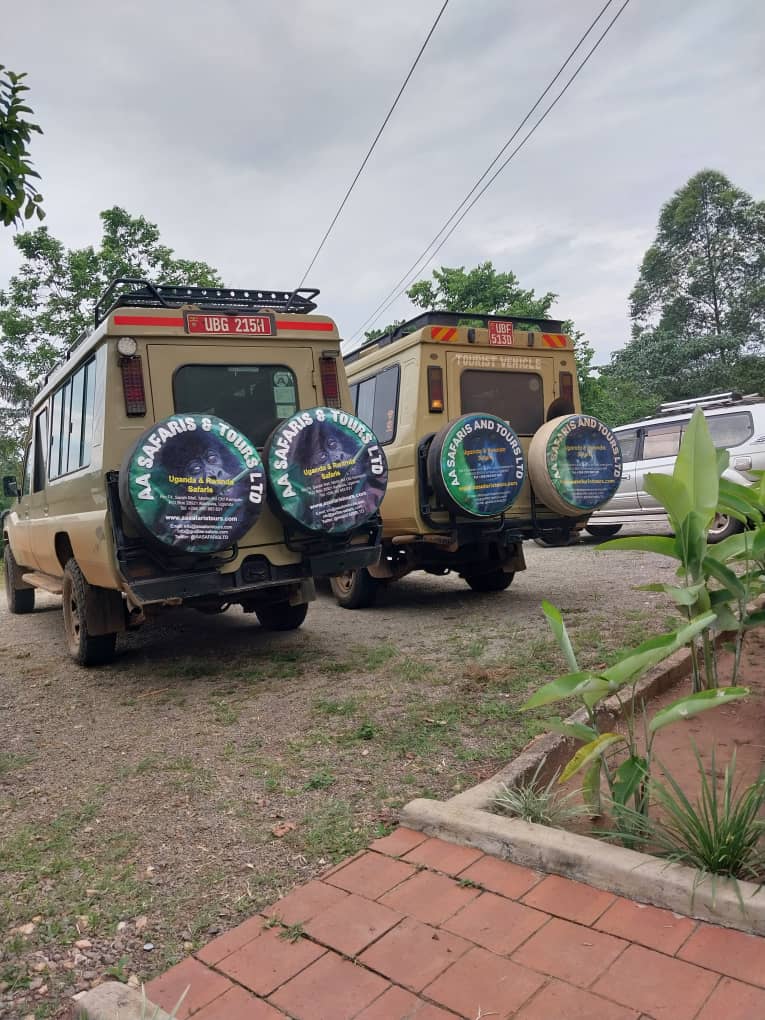
AA Safaris and Tours Safari vehicles
Rwanda Visa and Entry Information
Rwanda allows citizens of all countries to obtain a visa on arrival, while travellers who are not visa-exempt can also apply online or through a Rwandan diplomatic mission before departure. The standard Rwanda single-entry visitor visa fee is currently up to USD 50, depending on nationality and visa status.
Travellers visiting Rwanda, Uganda and Kenya on the same trip can also use the East Africa Tourist Visa. If it is obtained before travel, the country that issues the visa must be the traveller’s first point of entry into the three-country region. Entry rules can change, so travellers should confirm current requirements before departure.
Frequently Asked Questions About Rwanda Safaris
1. How many days do you need for a Rwanda safari?
For most first-time visitors, 6 to 10 days gives enough time to combine gorilla trekking, wildlife and at least one forest or lakeside region without rushing. Shorter trips can focus on Volcanoes National Park or Akagera, while longer itineraries can add Nyungwe, Lake Kivu and Uganda.
2. What is the best time to go on safari in Rwanda?
Rwanda can be visited throughout the year. June to mid-September is the main dry season and generally brings easier trekking and road conditions. December to February is another useful period, while the wetter months remain suitable for safari with muddier forest trails.
3. Can you combine gorilla trekking with a wildlife safari in Rwanda?
Yes. Rwanda is particularly well suited to combining gorilla trekking in Volcanoes National Park with Big Five wildlife in Akagera National Park. Longer trips can also include chimpanzee tracking in Nyungwe and a stay around Lake Kivu.
4. Is Rwanda suitable for a first safari in Africa?
Yes. Rwanda works well for first-time visitors who want several different experiences within a relatively compact itinerary. A single trip can combine mountain gorillas, savannah wildlife, chimpanzees, rainforest walks and Kigali without the very long road journeys required on some larger safari circuits.
5. Can Rwanda be combined with Uganda on one safari?
Yes. Rwanda and Uganda combine naturally, particularly for travellers interested in gorillas, chimpanzees and western Uganda wildlife. Routes can connect Kigali and Volcanoes National Park with Bwindi, Queen Elizabeth National Park, Kibale or other destinations depending on the number of days available.
6. How far in advance should I book a Rwanda safari?
Book once your travel dates are reasonably confirmed, particularly if the itinerary includes gorilla trekking. Gorilla permits are limited for each date, and preferred lodges, private vehicles and other trekking activities can also become restricted during popular travel periods
Start Planning Your Rwanda Safari With AA Safaris & Tours
Tell us how many days you have, the parks or experiences you want to include, and the accommodation level you prefer. AA Safaris & Tours can arrange a Rwanda safari that connects the right regions in a realistic order, including gorilla and chimpanzee permits, private transport, accommodation and cross-border extensions into Uganda where needed.