
Amboseli National Park in southern Kenya is known for its elephant herds, groundwater-fed wetlands and views of Mount Kilimanjaro across the border in Tanzania. On game drives, watch elephant families feeding along the marshes, calves following their mothers and adults crossing the open plains between feeding areas. The contrast between dry grassland and green wetlands gives Amboseli much of its character. Explore these habitats for plains wildlife and waterbirds, then visit Observation Hill for a wider view across the landscape. Clear mornings offer opportunities to photograph Kilimanjaro, although cloud cover determines whether the summit appears. Beyond the mountain backdrop, Amboseli rewards time spent watching animals interact. Choose your accommodation and safari length around the wildlife experience, with enough time for morning and afternoon drives.
Amboseli National Park at a Glance
| Planning detail | What to know |
|---|---|
| Location | Southern Kenya, in Kajiado County, near the Tanzania border. |
| Park size | Approximately 392 square kilometres. |
| Main attraction | Elephant herds, including family groups feeding and moving between the plains and wetlands. |
| Landscape | Open grassland, acacia woodland, marshes and a seasonal lake bed. |
| Kilimanjaro views | The mountain stands in Tanzania. Clear mornings provide photography opportunities, but cloud cover affects visibility. |
| Main activities | Guided game drives, birdwatching, photography and visiting Observation Hill. |
| Recommended stay | 2 nights allow an arrival game drive and a full day exploring. 3 nights provide more time for photography and wildlife observation. |
| Safari combinations | Combine Amboseli with Tsavo West, the Masai Mara or a longer Kenya wildlife itinerary. |
Where Is Amboseli National Park?
Amboseli National Park is in southern Kenya, near the Tanzania border, with Mount Kilimanjaro rising just across the border in Tanzania. You can enjoy the mountain views and explore Amboseli’s wildlife without crossing into Tanzania. The park is known for its open plains, swamps and wetlands, which attract elephants and other wildlife throughout the year. Beyond the park boundary, the surrounding Maasai community lands and conservancies provide additional space for wildlife to move between feeding areas and water sources. When arranging your safari, check where each activity takes place. Game drives inside Amboseli National Park follow the park’s rules, while guided walks in neighbouring conservancies and visits to Maasai communities are arranged separately.
Wildlife in Amboseli National Park
Wildlife drives in Amboseli take you across open grasslands, dusty plains and permanent swamps where animals gather to feed and drink. Each area offers something different, so take time to explore the wetlands as well as the open plains. The marshes attract elephants and waterbirds, while the grasslands give you a chance to watch grazing herds and search for predators.
Elephants and Their Family Groups
Amboseli is famous for its elephants, and watching them at close range is one of the highlights of a safari here. When you come across a family group, take time to watch how the elephants interact. Calves stay close to their mothers, young elephants play around one another, and older members feed while keeping an eye on the rest of the family. Near the swamps, you may see elephants wading into the water and pulling up vegetation with their trunks. Away from the wetlands, watch them dust themselves, feed across the plains or move between feeding grounds. Large bulls also travel alone or in smaller groups, giving you a different view of elephant behaviour. Your guide will position the vehicle at a safe distance, allowing the elephants to move freely. Keep clear of their path, especially when a family group is moving with young calves, and enjoy watching them without disturbing their movements.
Plains Wildlife and Predators
As you drive across the plains, look out for zebras, wildebeest, buffalo and gazelles grazing in the open grassland. Giraffes browse around patches of woodland, while hippos can be found in wetter areas. Early morning drives offer cooler conditions and active wildlife, while the afternoon heat often brings animals towards shade and water. Lions, cheetahs and spotted hyenas also roam Amboseli. Finding them takes patience, so scan the grassland and shaded areas with your guide as you move through the park. You may find lions resting after a night of hunting, cheetahs watching the plains for prey or hyenas moving through the grass. Although predator sightings add excitement to a game drive, the elephants remain the main attraction for many visitors to Amboseli.
Birds Around the Wetlands
Take your time around Amboseli’s wetlands, where birdwatching adds another dimension to the safari. Herons and egrets stalk fish in shallow water, African jacanas walk across floating vegetation, and African fish eagles perch near the water’s edge. Keep your binoculars ready for grey crowned cranes and other birds feeding around the marshes. Even when the larger animals are further away, the wetlands offer plenty to watch. Look along the water’s edge, across patches of floating plants and through the surrounding grassland. Your guide can help identify the birds you encounter, making these stops worthwhile for both keen birdwatchers and travellers who simply enjoy seeing more of Amboseli’s wildlife.
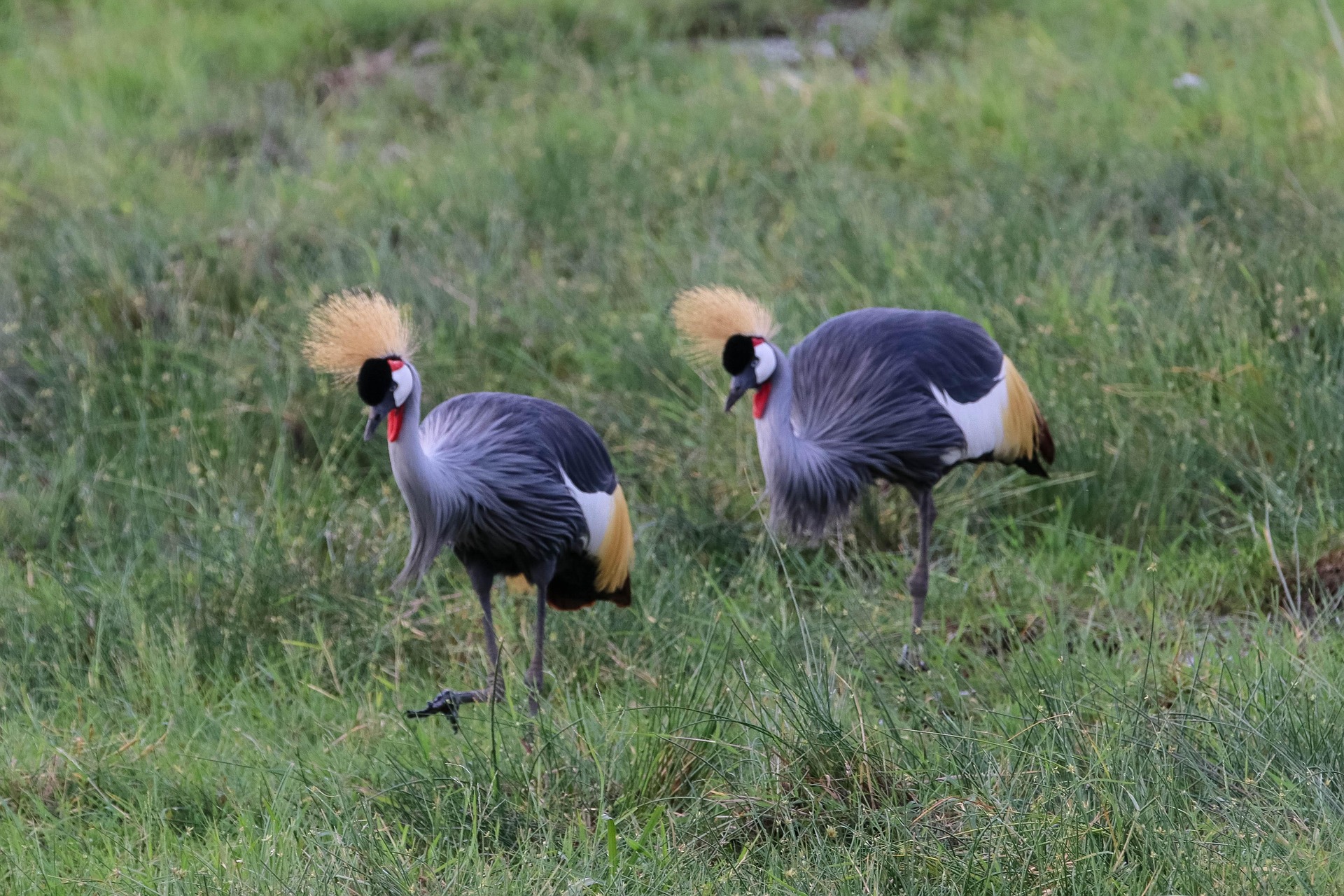
crowned crane in Amboseli
Things to Do in Amboseli National Park
Game drives are the main activity in Amboseli National Park, giving you time to search for elephants, watch other wildlife and enjoy views of Mount Kilimanjaro when the skies are clear. A full day in the park gives you more time to visit different areas without rushing from one sighting to another.
Morning and Afternoon Game Drives
Set off early in the morning when the air is cool and animals are active. Drive across the open plains in search of elephants, lions, giraffes, zebras and other wildlife before heading towards the swamps, where animals gather to drink and feed. For a full day in the park, you can carry a packed lunch and stop at a designated picnic site before continuing your game drive. Alternatively, return to your lodge during the middle of the day and head back out in the afternoon. Your guide can help you choose the best arrangement based on where you are staying and the distance to the park gate.
Visit Observation Hill
Observation Hill gives you a wonderful view across Amboseli’s swamps, open plains and surrounding landscape. Leave your vehicle at the designated parking area and walk up the path to the top, where you can take in the scenery from above. From here, you can see how the wetlands stand out against the dry plains and watch elephants and other animals moving through the park below. Take your time at the top, carry drinking water and wear comfortable shoes for the walk.
Photograph Mount Kilimanjaro and the Wildlife
An early morning game drive gives you a chance to photograph Mount Kilimanjaro before clouds gather around its summit. When the mountain is clear, its snow-capped peak creates a beautiful backdrop for Amboseli’s elephant herds and open plains. Even when clouds cover the mountain, there is plenty to photograph. Watch for elephants crossing the plains, birds around the swamps and animals gathering near the water. Let your guide know what you hope to photograph so you can spend more time at suitable locations when sightings allow.
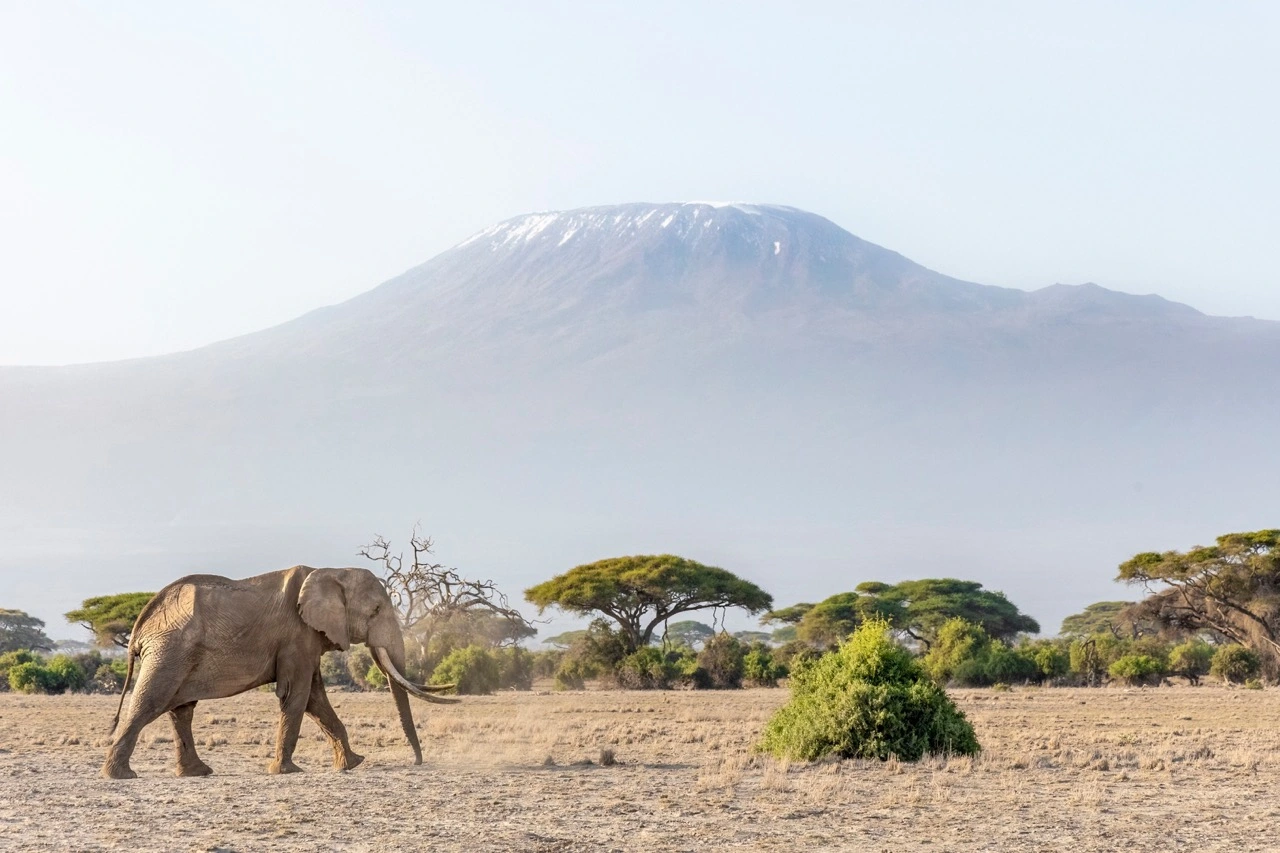
Mount Kilimanjaro
Arrange a Maasai Community Visit
A visit to a Maasai community adds a cultural experience to your Amboseli safari. Spend time with local hosts learning about their traditions, daily life and connection to the surrounding land. Depending on the visit you arrange, you may also enjoy traditional dances, storytelling and craft demonstrations. Take the opportunity to ask questions and learn directly from your hosts. Always ask permission before photographing people or entering their homes, and choose a visit that supports the local community.
Enjoy a Guided Bush Walk
If you would like to explore the landscape on foot, ask about guided bush walks in a nearby conservancy where walking activities are permitted. Accompanied by a local guide, you can learn about animal tracks, plants, birds and the smaller details that are easy to miss from a safari vehicle. Walking opportunities depend on the location and the arrangements available, so confirm the activity with your safari operator before adding it to your itinerary.
Best Time to Visit Amboseli National Park
June to October and January to February are the best starting points for planning an Amboseli safari. Drier conditions make exploring more straightforward, while the permanent wetlands remain important feeding and drinking areas for wildlife. Rainfall timing varies, so treat these as seasonal windows rather than fixed weather boundaries.
| Travel period | Conditions and wildlife viewing | What to plan for |
|---|---|---|
| June to October | The main dry period brings increasingly dry plains and wildlife activity around the wetlands. | Start drives early, carry a warm layer for cool mornings and protect cameras from dust. |
| January to February | A shorter dry period offers another good window for game drives, with warm daytime conditions. | Explore during the cooler morning and late afternoon hours. Carry drinking water and sun protection. |
| March to May | The long rains bring greener vegetation and changing conditions on unpaved tracks. | Allow flexibility in your driving schedule and confirm access to your lodge before travelling. |
| November to December | The short rains freshen the landscape, with showers interrupting otherwise workable safari days. | Pack waterproof protection for equipment and leave time to adjust drives around rainfall. |
How to Get to Amboseli National Park
Reach Amboseli by road from Nairobi or take a light aircraft flight from Wilson Airport. Choose the route around your lodge’s location, especially when staying outside the park boundary.
Driving from Nairobi
Allow approximately 4 to 5 hours from Nairobi to an Amboseli entrance, depending on traffic, road conditions and stops. Leave early to give yourself time for lunch and an afternoon game drive.
| Road approach | Distance from Nairobi | Driving time | Route details |
|---|---|---|---|
| Via Emali to Iremito Gate | Approx 204 km | 4 to 5 hours | Follow the Nairobi to Mombasa highway to Emali, then turn towards Loitokitok and follow the Amboseli signs. |
| Via Namanga to Meshanani Gate | Approx 220 km | 4 to 5 hours | Travel south to Namanga, then follow the road to Meshanani Gate. The final approach includes unpaved sections. |
| Via Emali and Kimana to Kimana Gate | Approx 240 km | 4 to 5 hours | Continue towards Kimana for access from the eastern side of the park. |
Distances and driving times are approximate and depend on your departure point, traffic, road conditions and stops. Allow extra time for entrance formalities and the onward drive inside the park.
Flights and Amboseli Airstrip
Flights from Wilson Airport in Nairobi reach Amboseli in approximately 40 minutes, although routing and intermediate stops affect the total journey. Arrange collection at the airstrip before travelling. Your road transfer depends on the property, with some lodges requiring about an hour after landing. Wilson Airport is separate from Jomo Kenyatta International Airport. If connecting from an international arrival, allow time for immigration, baggage collection, the road transfer between airports and your domestic check-in. Check the airline’s luggage allowance before packing. Light aircraft have weight and baggage restrictions, so confirm the requirements for your booked service.
Where to Stay in Amboseli
Choose your accommodation around where you want to spend your safari time. Staying inside Amboseli suits a trip focused on national park game drives. A conservancy camp offers a different setting, with activities outside the park and a separately planned visit to Amboseli.
| Accommodation | Location | Best suited to |
|---|---|---|
| Amboseli Serena Safari Lodge | Inside Amboseli National Park. | Travellers wanting a lodge base within the park for morning and afternoon game drives, without travelling through an entrance gate for each outing. |
| Ol Tukai Lodge | Inside the park, in the Ol Tukai area. | Visitors prioritising Amboseli’s central wildlife-viewing areas and a lodge stay between drives. Choose your room category around your preferred outlook. |
| Porini Amboseli Camp | Selenkay Conservancy, outside the national park. | Travellers wanting a tented camp experience with conservancy game drives, guided walks and night drives, alongside an arranged excursion into Amboseli National Park. |
Confirm the activities, national park visits, entrance fees and transfers included in your booking.
How Many Days to Spend in Amboseli
3 days and 2 nights is a balanced choice for an Amboseli safari from Nairobi. It gives you an afternoon drive on arrival, one full day for wildlife viewing and time for a final morning outing before returning. Your lodge location and departure schedule determine how much of that last morning you can spend exploring.
| Safari length | Practical plan | Who it suits |
|---|---|---|
| 2 days, 1 night | Drive from Nairobi early, explore in the afternoon, then take a morning drive before returning. Much of the trip is spent travelling. | Visitors with limited time who accept a short wildlife-viewing window. |
| 3 days, 2 nights | Arrive for an afternoon drive, spend the next day exploring the plains and wetlands, then depart on the third day. | A first Amboseli visit with time for different habitats and unhurried stops. |
| 4 days, 3 nights | Allow two full days between arrival and departure, with flexibility for longer sightings, photography and an additional arranged activity. | Photographers and travellers who prefer a slower pace or want to combine park and conservancy experiences. |