
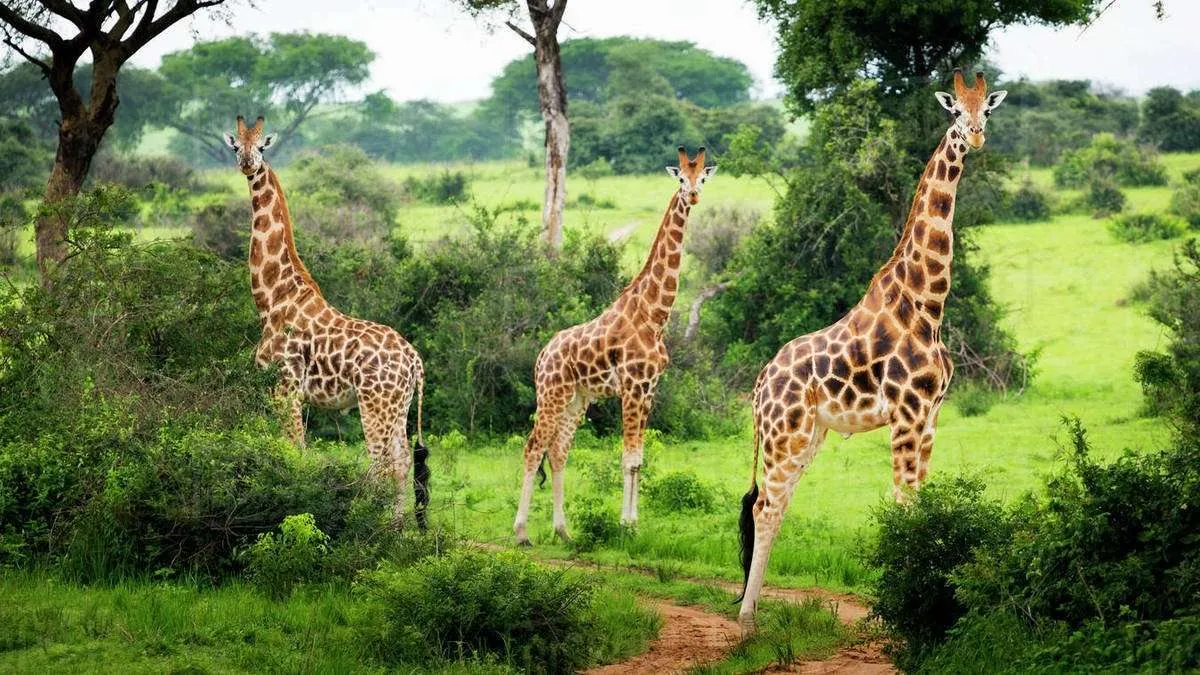
Lake Mburo National Park covers about 370 sq km in western Uganda, between Kampala and Mbarara, making it Uganda’s smallest savannah national park. Its compact size brings open grassland, acacia woodland, rocky hills, wetlands and several lakes into a relatively small area, so the landscape changes quickly as you move through the park. Lake Mburo is particularly known for zebras, impalas, elands and topi, while giraffes, buffaloes, warthogs and other plains wildlife are also regularly seen. Around Lake Mburo itself, hippos and Nile crocodiles add a completely different wildlife experience along the shoreline. What sets Lake Mburo apart from Uganda’s larger savannah parks is how many ways you can explore it. Wildlife viewing is possible on conventional game drives, but you can also walk through the park with a ranger, take a boat trip on Lake Mburo, ride among zebras and antelopes on horseback, cycle through selected areas and join a night game drive in search of nocturnal wildlife. That variety makes the park especially rewarding for travellers who want to spend part of their safari outside a vehicle. Lake Mburo is also one of Uganda’s easiest wildlife parks to fit into a longer journey. It lies about 228 km from Kampala and works particularly well as a first or final safari stop when travelling between central Uganda and Bwindi, Mgahinga or the wider southwest. Rather than treating it simply as a convenient overnight break, allow enough time for at least two different activities because the walking, horseback and lake experiences are what give Mburo its distinctive character.
Lake Mburo National Park Quick Facts
| Location | Western Uganda, between Kampala and Mbarara |
|---|---|
| Park Size | About 370 sq km |
| Altitude | About 1,220 to 1,828 metres above sea level |
| Main Wildlife | Zebras, impalas, elands, giraffes, buffaloes and topi |
| Distance from Kampala | About 228 km |
| Main Experiences | Walking safaris, game drives, boat trips, horseback riding and night drives |
Walking Safaris in Lake Mburo National Park
Walking safaris are one of the strongest reasons to spend proper time in Lake Mburo. The park’s open grassland, acacia woodland and gently rolling terrain make it possible to experience wildlife on foot with a ranger, which gives you a very different perspective from a vehicle. Around Rwonyo and the eastern side of the park, walks can bring you within viewing distance of zebras, impalas, elands, topi, warthogs and other plains wildlife while still keeping a safe distance. You also begin to notice animal tracks, dung, feeding signs, bird calls and smaller details that are easy to miss on a game drive. Early morning is the best time to walk because temperatures are lower and wildlife is usually more active. Wear closed walking shoes, long trousers and carry water, especially if you are combining the walk with another activity later in the day. The terrain is generally manageable, but the exact route depends on wildlife movement, recent rain and where the ranger considers conditions best that morning.
Rwonyo and the Salt Lick
One of the most practical walking options is the guided salt lick walk from the Rwonyo area. The route leads to a natural salt-rich area where animals come to take in minerals from the ground. A timber observation platform allows you to watch wildlife using the salt lick without standing directly on the open ground with them. This is a good choice for travellers who want a shorter walking experience rather than a long trek. It also fits easily into a safari day with a later boat trip, game drive or horseback safari.
Game Drives in Lake Mburo National Park
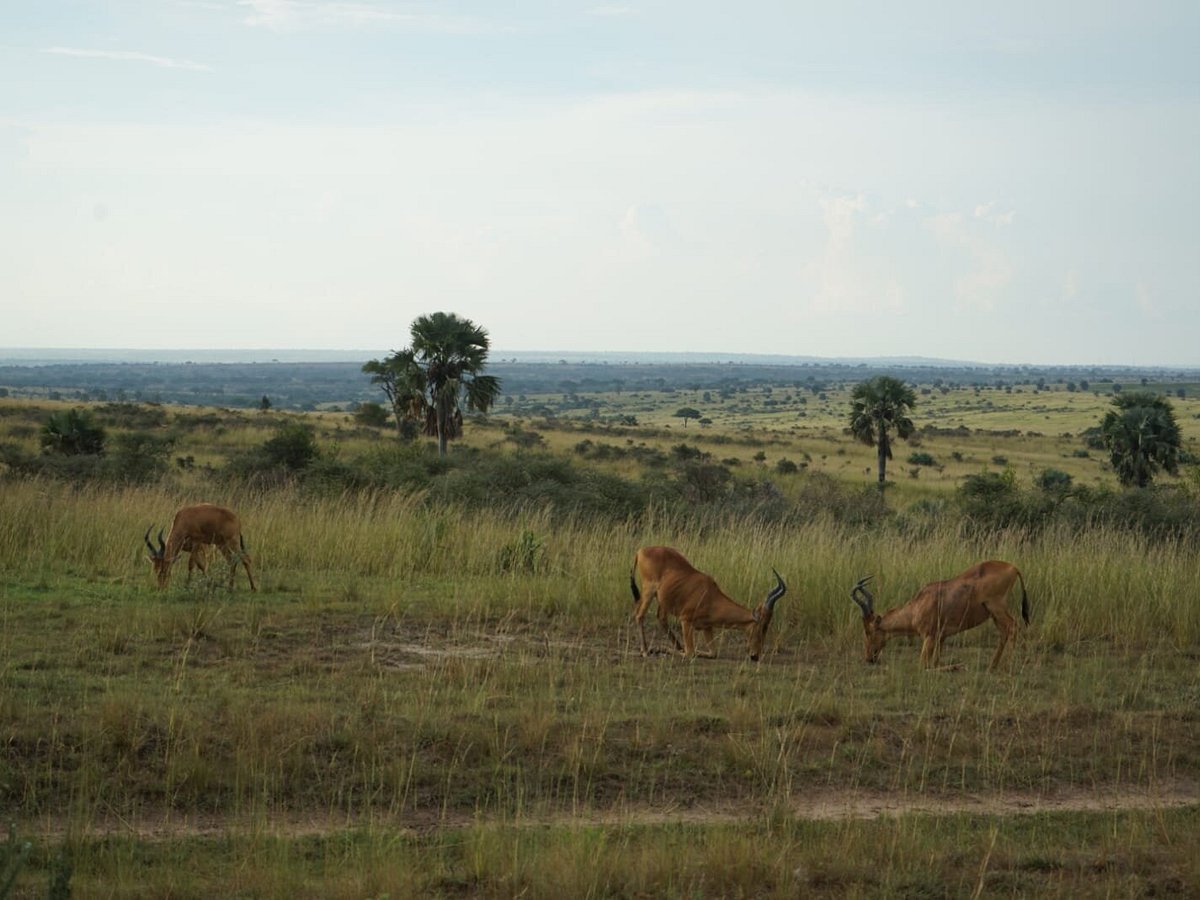
Game drives in Lake Mburo are best treated as a way to cover the park’s different habitats rather than simply searching for large predators. The road network passes through open grassland, acacia woodland, rocky country and lakeshore habitat, so sightings change noticeably as you move from one circuit to another. Early morning and late afternoon are the strongest periods because temperatures are lower and animals are more active. The Zebra, Impala and Warukiri tracks are among the main routes through the eastern part of the park. Zebras, impalas, topi, elands, giraffes, buffaloes, waterbuck and warthogs are regularly encountered in these areas, while the lakeshore routes add opportunities for hippos, waterbirds and other animals coming towards the water. The park’s compact size means a 2 to 3-hour drive can cover several habitats without spending most of the time travelling between wildlife areas. Lake Mburo is not a park where the value of a game drive depends on finding lions. The strength of the experience is the concentration of zebras, impalas and other plains wildlife, combined with the variety of ways the park can be explored. If you are already planning a walking safari or horseback ride, use the game drive to reach parts of the park you will not cover on foot.
Night Game Drives
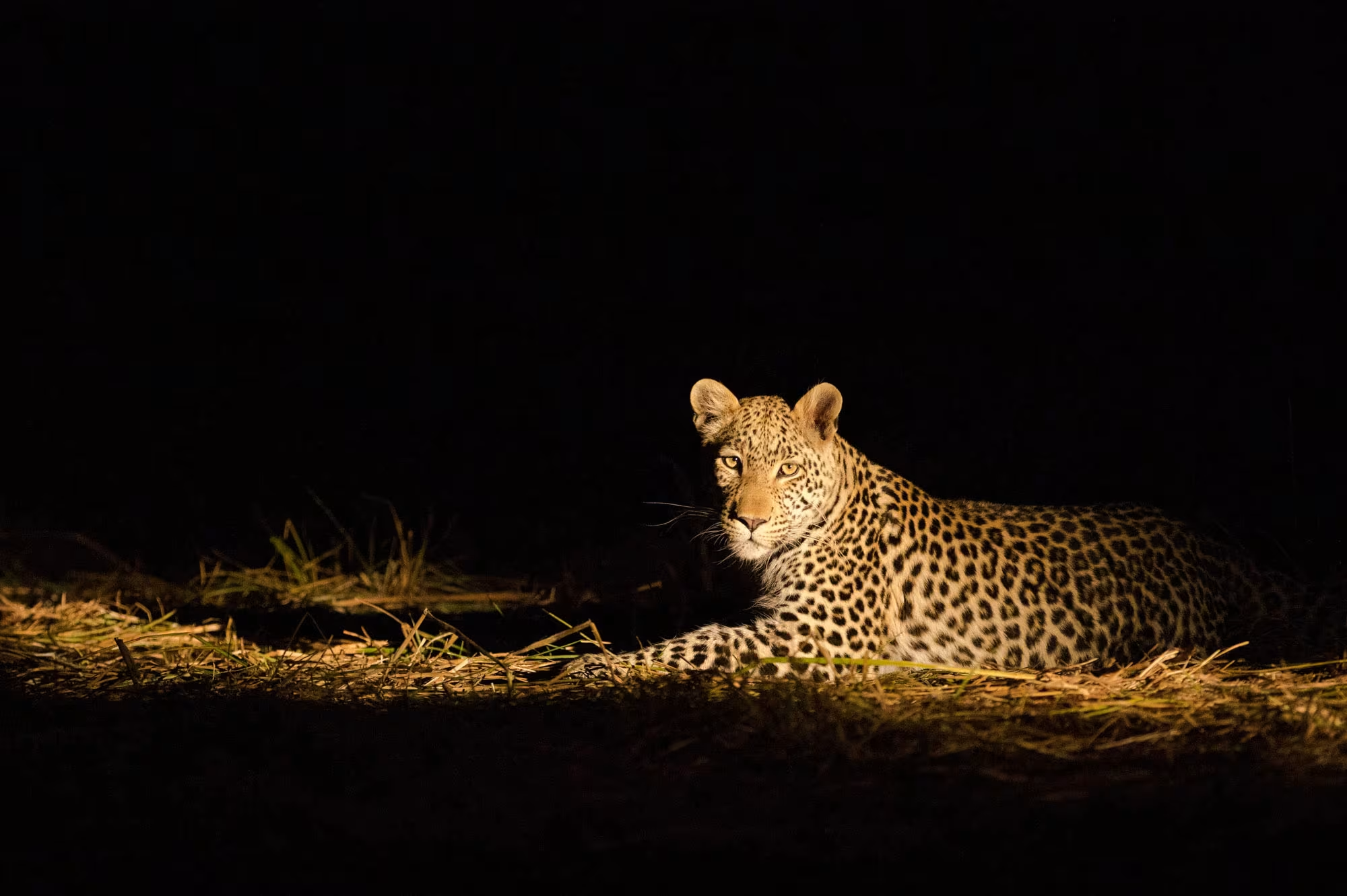
A night game drive shows a completely different side of Lake Mburo. Drives normally begin after dark and last around 2 hours, with a ranger guide and spotlight used to search woodland edges, open clearings and tracks for nocturnal wildlife. Species to look for include leopards, spotted hyenas, genets, civets, bushbabies, porcupines and white-tailed mongooses, although sightings vary from night to night. The experience is as much about listening and searching as it is about ticking off species, because many animals are first detected by movement, calls or reflected eyeshine. If you are staying only one night, a night drive works well after an afternoon arrival and can leave the following morning free for a walking safari or boat trip.
Boat Cruise on Lake Mburo
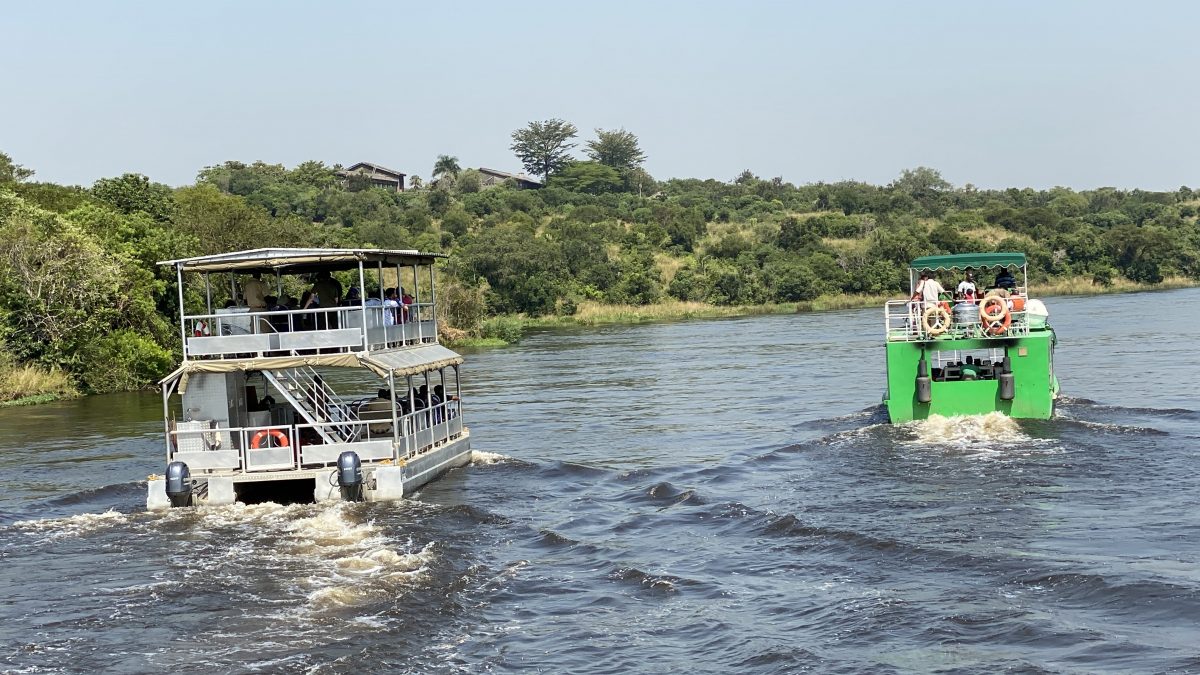
A boat cruise on Lake Mburo gives you access to wildlife that you will not see as well from the park’s road network. Trips leave from the lakeshore near the Rwonyo area and normally take about 2 hours, moving slowly along the shoreline, reed beds and quieter bays where hippos, crocodiles and waterbirds concentrate. The pace is relaxed, so this works particularly well after a morning game drive or walking safari. Hippos are the main attraction on the water, with several groups using different sections of the lake. Nile crocodiles are also present, often resting along quieter banks, while buffaloes, waterbuck and other animals may appear at the shoreline to drink. Birders should keep binoculars ready because Lake Mburo is particularly good for waterbirds, including African fish eagles, pied kingfishers, herons, cormorants and African finfoot. The finfoot is one of the more interesting targets because it prefers quiet, vegetated stretches of shoreline and is easily missed during ordinary game drives. Morning trips generally give you cooler conditions and active birdlife, while an afternoon cruise fits naturally into a day that starts with a walk or game drive. If your itinerary is short, combine the boat cruise with an activity on land rather than treating it as a standalone day. A morning walking safari followed by an afternoon boat trip gives you two completely different ways of experiencing Lake Mburo within the same day.
Horseback Safaris in Lake Mburo National Park
Horseback riding is one of the experiences that makes Lake Mburo feel very different from Uganda’s larger savannah parks. The rides take place mainly across the grassy ridges and open country on the eastern side of the park, where you can move quietly through areas used by zebras, impalas, elands, topi and other plains wildlife. Because you are approaching on horseback rather than in a vehicle, the experience feels slower and more connected to the landscape, and you often spend more time watching animal behaviour rather than simply driving from one sighting to the next. Rides are organised from the Mihingo side of the park, and the route and duration depend on riding experience, weather and current wildlife movement. Beginners can take shorter, more controlled rides, while experienced riders can spend longer in the saddle and cover a wider section of the surrounding savannah. Proper closed shoes and comfortable trousers are important, and anyone with limited riding experience should be clear about that before the ride begins so the horse and route can be matched appropriately. The real value of the experience is the different pace. Instead of following the same road network used by safari vehicles, you move across open ground and through quieter stretches of bush where zebras and antelopes may continue feeding as you pass. For travellers staying only one or two nights, combine horseback riding with either a boat cruise or a game drive, rather than trying to repeat the same wildlife areas in several different ways.
Birdwatching in Lake Mburo National Park
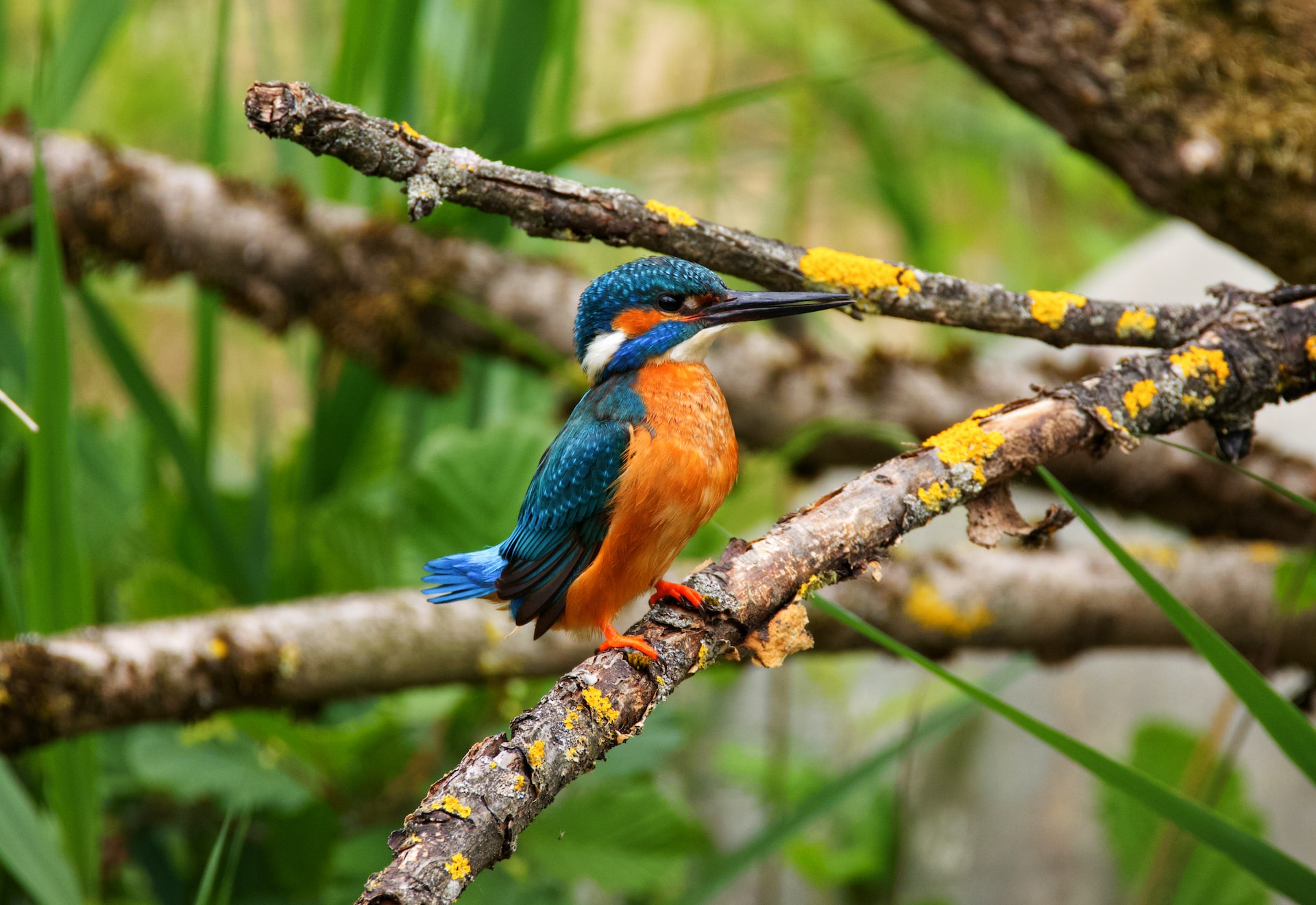
Lake Mburo supports more than 315 recorded bird species, with a particularly good mix of acacia woodland, grassland, lakeshore and papyrus specialists. You do not need a dedicated birding itinerary to see plenty of species because birds appear throughout normal game drives, walks and boat trips, but serious birders should spend time around Rwonyo, the Acacia and Research tracks, Rubanga Forest and the northern wetland edge of Lake Mburo. The wooded shores of Lake Mburo are particularly important for the African finfoot, one of the park’s most sought-after birds and a good reason to carry binoculars on the boat cruise. Around the open savannah and acacia woodland, look for black-bellied bustards, bare-faced go-away birds, Rüppell’s starlings, southern ground hornbills, black-throated barbets and mosque swallows. Wetland areas add herons, kingfishers, fish eagles, darters and other waterbirds. For more concentrated forest birding, Rubanga Forest on the western side of the lake can be explored with a ranger and adds species associated with denser woodland that you are less likely to find on the open plains. The papyrus wetlands are also worth extra attention for specialised wetland birds, including the papyrus yellow warbler. For a general safari, the boat cruise and game drives already provide strong birding. Dedicated birders should slow the pace down and give Rwonyo, the lakeshore and acacia tracks their own morning rather than trying to identify everything while concentrating on mammals.
Cycling Safaris in Lake Mburo National Park
Cycling gives you another way to experience Lake Mburo at a slower pace, especially around the eastern side of the park and the areas outside the main game-drive tracks. Guided rides pass through open grassland, village roads and gently rolling country where zebras, impalas, warthogs and other plains wildlife may be seen from the saddle. The experience is less about covering long distances quickly and more about moving quietly through the landscape while still being able to stop easily for wildlife and bird sightings. Most cycling outings are arranged with a local guide who chooses the route according to your fitness, recent weather and wildlife movement. Shorter rides suit travellers who simply want an active break between game drives, while longer routes can take several hours and cover a broader mix of park-edge habitat and community areas. A helmet, closed shoes and enough drinking water are essential, and early morning is usually the most comfortable time because temperatures rise quickly later in the day. Cycling works best when you treat it as a supporting experience rather than the main safari activity. If you are already planning a walking safari, horseback ride and boat cruise, you do not need to add cycling simply to fill the itinerary. It is most useful for active travellers who prefer to spend more time outside a vehicle and want another way to explore Lake Mburo’s open country.
Lake Mburo National Park Fees
Park entrance is charged separately from activities such as guided walks, night game drives, boat trips and cycling, so it is worth checking what is included when comparing safari prices. The current adult entrance rates for Lake Mburo are:
| Visitor Category | Adult Park Entry |
|---|---|
| Foreign Non-Resident | US$40 |
| Foreign Resident | US$30 |
| East African Citizen | UGX 20,000 |
How to Get to Lake Mburo National Park
Lake Mburo National Park is one of the easiest wildlife parks to reach from Kampala. The park lies about 228 km southwest of Kampala, and the drive normally takes around 3½ hours in good conditions. The route follows the main Kampala to Mbarara road through Masaka and Lyantonde, making Lake Mburo an easy first or final safari stop on a journey into southwestern Uganda.
Driving from Kampala or Entebbe
From Kampala, you can enter through either Nshara Gate or Sanga Gate. The turnoff to Nshara Gate is reached first, with the access road running roughly 5 to 10 km from the main highway, while the road from Sanga Trading Centre to Sanga Gate is about 13 km. Both approaches place you close to the Rwonyo area and the main activity zones. Lake Mburo also fits naturally into longer routes towards Mbarara, Queen Elizabeth National Park, Bwindi or Mgahinga, so there is usually no need to return to Kampala after visiting the park. Travellers coming from Queen Elizabeth can approach through Ishaka and Mbarara, while those coming from Kibale can travel through Ibanda and Rushere. Flying is less important here because road access is already straightforward. There are no direct scheduled flights into the park, although charter flights can use Mbarara Airstrip, followed by a road transfer to Lake Mburo.
Where to Stay in Lake Mburo National Park
Accommodation around Lake Mburo is spread between the Rwonyo area inside the park and the eastern boundary around Nshara and Kanyinanshara, so the best choice depends on which activities you want to prioritise. If your plans centre on the boat cruise, game drives and walking safaris, staying close to Rwonyo reduces transfer time. If horseback riding, cycling and an easy arrival from Kampala matter more, the eastern side works particularly well.
| Area | Lodge/camp | Best For |
|---|---|---|
| Eastern Park Boundary | Mihingo Lodge | Horseback safaris, walking and higher-comfort stays. |
| Nshara Gate Area | Rwakobo Rock | Road arrivals, cycling, walking and easy park access. |
| Rwonyo Area | Arcadia Lodge Lake Mburo | Boat cruises, game drives and activities starting near park headquarters. |
| Inside the Park | Rwonyo Rest Camp | Travellers prioritising location and simpler accommodation. |
Best Time to Visit Lake Mburo National Park
Lake Mburo can be visited throughout the year, but the drier months from June to August and December to February generally offer the easiest conditions for game drives, walking safaris, cycling and horseback riding. Tracks are firmer, grass is shorter in many areas and wildlife is easier to pick out across the open country. These months also work well for travellers combining Lake Mburo with Bwindi, Queen Elizabeth or other southwestern Uganda destinations because road conditions are usually more predictable. The main rains normally fall from March to May and again from September to November, although rainfall around Lake Mburo can be irregular. The park lies in a relatively dry rain-shadow area, so even the wetter months do not mean continuous rain. April and November are often among the wetter months, while showers can leave the savannah greener and the lakeshore particularly attractive for photography and birding. For walking, cycling and horseback safaris, I would favour the drier periods because the ground is more comfortable and activities are less likely to be affected by muddy trails. Birders and photographers may prefer the greener months, when vegetation is fresh and wetland areas are more active. The boat cruise remains worthwhile throughout the year, with hippos, crocodiles and waterbirds concentrated around Lake Mburo regardless of season. For most first-time visitors wanting to combine several activities, June to August and December to February give the easiest overall safari conditions, but Lake Mburo remains a practical year-round destination.
Plan Your Lake Mburo Safari
Tell us your travel dates, how many days you have and whether you want to focus on walking safaris, horseback riding, game drives, the boat cruise, or a wider southwestern Uganda itinerary. We can organise the right lodge location, park activities and route so Lake Mburo fits smoothly with Bwindi, Queen Elizabeth, Mgahinga or your journey back to Kampala.