
This 7-day Kenya safari takes you from Nairobi to the dry northern landscapes of Samburu, through the Mount Kenya highlands and the Great Rift Valley, before finishing on the wildlife-rich plains of the Masai Mara. Along the way, look for Samburu’s distinctive northern wildlife, black and white rhinos in Lake Nakuru, and lions, cheetahs and other big cats in the Masai Mara. Spend two nights in Samburu, enjoy a highland stay near Mount Kenya, explore Lake Nakuru National Park and finish with two nights on safari in the Masai Mara. Starting and ending in Nairobi, this trip combines Kenya’s varied landscapes with excellent opportunities for wildlife viewing.
Safari Highlights
- Samburu National Reserve: Search for elephants and the Samburu Special Five.
- Ewaso Ng’iro River: Watch wildlife gathering along the river.
- Mount Kenya Highlands: Enjoy a night surrounded by cool mountain scenery.
- Lake Nakuru National Park: Look for black and white rhinos, giraffes and other wildlife.
- Rift Valley Birdlife: Spot flamingos, pelicans and other waterbirds when conditions are favourable.
- Masai Mara National Reserve: Search for lions, cheetahs, leopards and large herds of herbivores.
- Wildebeest Migration: Look for migrating herds when your travel dates coincide with the season.
- Comfortable Stays: Spend your nights in safari lodges or tented camps across Kenya.
Detailed Safari Itinerary
Day 1, Nairobi to Samburu National Reserve
Leave Nairobi early in the morning and head north to Samburu National Reserve. The drive takes around 5 to 7 hours, passing through central Kenya’s agricultural highlands and the Mount Kenya region. As you approach Samburu, the scenery changes from green highlands and cultivated land to dry plains, rocky hills and scattered acacia trees. The Ewaso Ng’iro River cuts through this dry landscape, drawing elephants and other animals to its banks. Arrive at your lodge in time for lunch before heading out for your first game drive. Samburu is known for its northern wildlife, including Grevy’s zebras, reticulated giraffes, Beisa oryx and Somali ostriches, animals you won’t encounter as easily on many of Kenya’s southern safari routes. Keep watch along the river for elephants coming to drink, and look out for lions, leopards and cheetahs as you explore the reserve. Return to your lodge in the evening for dinner and overnight.
Accommodation: Samburu Intrepids Tented Camp or Samburu Sopa Lodge
Meals: Lunch and dinner.
Day 2, Samburu Wildlife Safari and Birdwatching
Start the morning with a game drive through Samburu’s dry plains and riverine woodland. Your guide will look for elephants, big cats and the reserve’s distinctive northern wildlife, with the Ewaso Ng’iro River providing a good place to search for animals, particularly during the dry season. One of the highlights is looking for the Samburu Special Five, a group of five northern species that includes the gerenuk, reticulated giraffe, Grevy’s zebra, Beisa oryx and Somali ostrich. The gerenuk is particularly interesting to watch as it stands upright on its hind legs to reach leaves on shrubs and small trees. Samburu is also a rewarding destination for birdwatching, with more than 350 recorded species. Look out for vulturine guineafowl, Somali ostriches, hornbills, bee-eaters, kingfishers and birds of prey as you drive through the reserve. Return to your lodge for lunch and a rest before heading out again for an afternoon game drive. If you’d like to do more than game drives, camel rides, horseback riding and cultural visits can be arranged separately at suitable nearby conservancies or private ranches, depending on availability. Return to the lodge for dinner and overnight.
Accommodation: Samburu Intrepids Tented Camp or Samburu Sopa Lodge
Meals: Breakfast, lunch and dinner.
 Day 3, Samburu to Mount Kenya
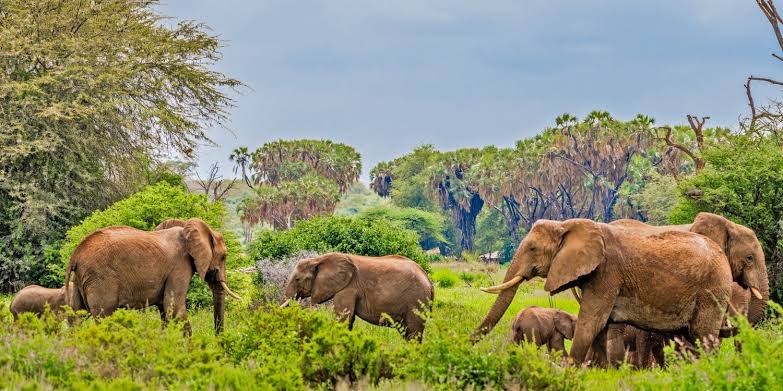
After breakfast, leave Samburu and travel south to the Mount Kenya region. Along the way, the dry northern landscape gives way to greener countryside, cultivated fields and forested mountain slopes. Mount Kenya rises to 5,199 metres above sea level, making it the highest mountain in Kenya and the second-highest in Africa. The forests around its lower slopes are home to monkeys, forest antelopes, buffaloes, elephants and a variety of birds. Arrive at your lodge around lunchtime or later in the afternoon, depending on your route. Spend the rest of the day enjoying the mountain surroundings and relaxing at the property. If your lodge has suitable trails and a guide available, you can also arrange a short nature walk through the surrounding forest. Longer excursions to waterfalls, caves or mountain trails need to be arranged separately.
Accommodation: Serena Mountain Lodge or Fairmont Mount Kenya Safari Club
Meals: Breakfast, lunch and dinner.
Day 4, Mount Kenya to Lake Nakuru National Park
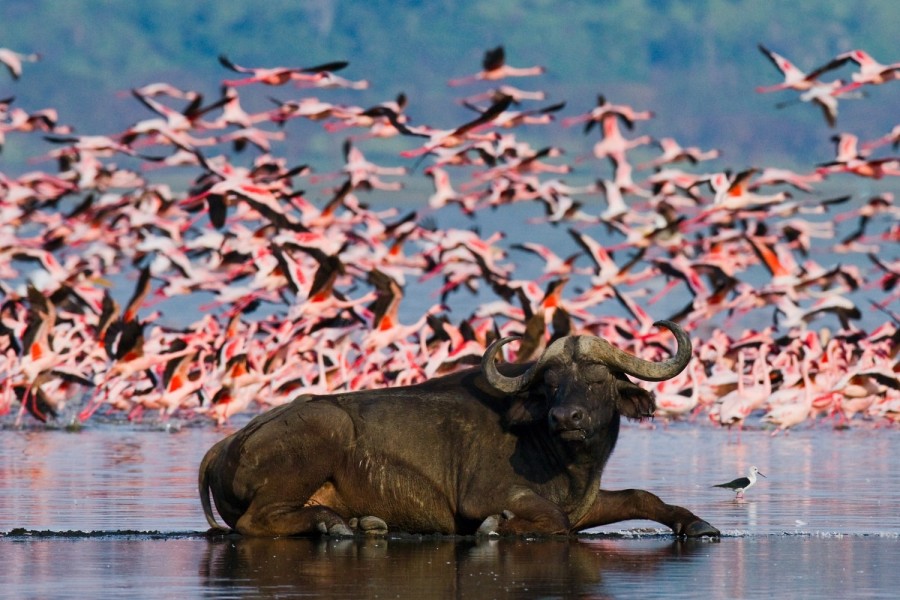
After breakfast, leave the Mount Kenya region and head west to Lake Nakuru National Park in the Great Rift Valley. The drive takes you through the central highlands before descending towards the Rift Valley, where the landscape opens into broad plains and lakeside woodland. Arrive in the Lake Nakuru area around lunchtime, depending on your departure point and the journey. After lunch, head into the park for an afternoon game drive. Lake Nakuru is one of Kenya’s key rhino conservation areas, giving you a chance to look for both black and white rhinos. As you explore the grasslands and acacia woodland, watch for buffaloes, Rothschild’s giraffes, zebras, waterbucks and lions. The lakeshore is also worth visiting for its birdlife. Pelicans, flamingos and other waterbirds can be seen along the water, although flamingo numbers vary with changing lake conditions. Return to your lodge in the evening for dinner and overnight.
Accommodation: Sarova Lion Hill Game Lodge or Lake Nakuru Lodge
Meals: Breakfast, lunch and dinner.
 Day 5, Lake Nakuru to Masai Mara National Reserve
After breakfast, leave Lake Nakuru and head southwest to the Masai Mara, passing through the Rift Valley countryside and the Narok region. The drive takes around 5 to 7 hours, depending on road conditions and the location of your camp. Arrive at your lodge or tented camp and have lunch, depending on your arrival time. Later, head into the reserve for your first game drive across the Masai Mara’s open grasslands. This is big-cat country, and your guide will look for lions, cheetahs and leopards as you drive through the plains and patches of woodland. Elephants, buffaloes, giraffes, zebras and several antelope species are also part of the wildlife you can encounter. If you’re visiting during the wildebeest migration season, you may come across large herds of wildebeest and zebras moving through the reserve in search of fresh grazing. Their movements depend on rainfall and grazing conditions, so the locations of the herds change throughout the season. Return to your accommodation in the evening for dinner and overnight.
Accommodation: Mara Serena Safari Lodge or Sarova Mara Game Camp
Meals: Breakfast, lunch and dinner.
Day 6, Full-Day Wildlife Safari in the Masai Mara
After an early breakfast, head out for a full day of wildlife viewing in the Masai Mara. The cooler morning hours are a good time to look for lions and cheetahs before they settle down to rest during the heat of the day. Your guide will take you across the open grasslands and through wooded areas in search of wildlife. Watch for elephants moving across the plains, buffaloes grazing in herds, giraffes browsing on trees and zebras gathering in large numbers. Leopards also inhabit the reserve, particularly around areas with thicker vegetation and along the rivers, although finding one can take patience. You can also drive towards the Mara River, where hippos gather in the deeper water and crocodiles rest along the banks. During the migration season, wildebeest and zebras may gather near river crossings, but the timing of a crossing is unpredictable. Enjoy a picnic lunch in a designated area to make the most of your time in the reserve, or return to your lodge for lunch before heading out again in the afternoon. If you’d like a change from wildlife viewing, you can arrange a visit to a Maasai community to learn about local traditions, homesteads and pastoral life. Arrange the visit in advance with the participating community. Return to your lodge or camp in the evening for dinner and overnight.
Meals: Breakfast, lunch and dinner.
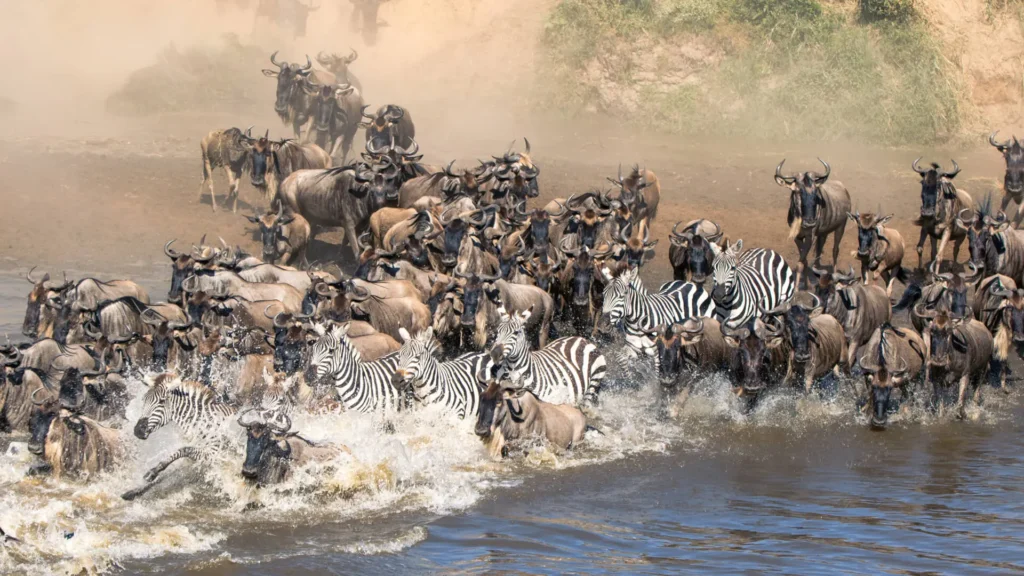
Herds of zebra and wildebeest Great Migration
Day 7, Masai Mara to Nairobi
After breakfast, check out of your lodge or camp and begin the drive back to Nairobi. You’ll travel through the Narok region and across the Great Rift Valley before continuing towards the city. Allow around 5 to 7 hours for the journey, depending on your camp’s location, road conditions and traffic approaching Nairobi. On arrival, your driver-guide will drop you off at your hotel or transfer you to the airport for your onward journey. If you’re catching an international flight that evening, allow plenty of time for the drive and airport check-in, as traffic around Nairobi can add to the journey. Your 7-day Kenya safari comes to an end after exploring Samburu’s distinctive northern wildlife, the Mount Kenya highlands, Lake Nakuru’s rhino habitats and the open plains of the Masai Mara.
Meals: Breakfast.
Inclusions and Exclusions
Safari Inclusions
- Ground transport in a suitable safari vehicle.
- English-speaking safari driver-guide.
- Six nights of accommodation
- Meals as indicated in the daily itinerary.
- National park and reserve entrance fees.
- Drinking water during safari activities
- Pickup and return transfers in Nairobi
Safari Exclusions
- International and domestic flights
- Kenya Electronic Travel Authorisation (eTA)
- Travel and medical insurance.
- Personal expenses, including laundry, souvenirs and additional drinks.
- Tips and gratuities for safari guides and lodge staff.
- Optional camel riding, horseback riding and additional nature excursions.
- Optional Maasai community visits not specified in the confirmed itinerary.
- Hot air balloon safaris in the Masai Mara.
- Additional accommodation before or after the safari.
- Any services not specified in the final booking confirmation.